Nature's Mutiny
0
0
As an Amazon Associate and affiliate partner, Menrva Books earns from qualifying purchases. Learn more
Author Description
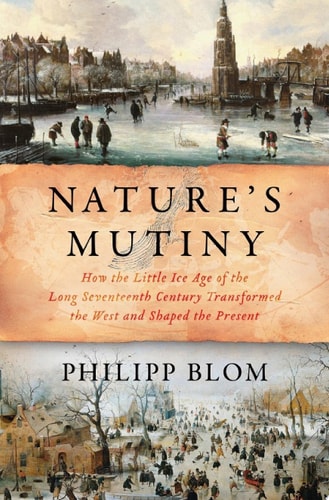
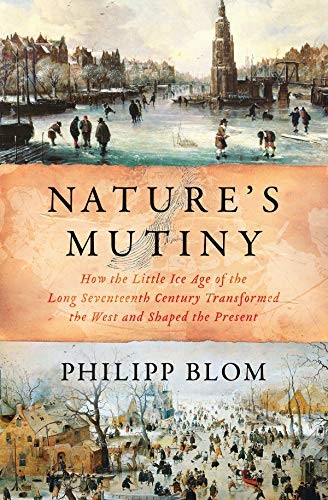
The hints of an impending environmental crisis appeared as early as the 1570s, as winters grew colder and crops diminished. By the turn of the seventeenth century, the temperature had plummeted so drastically that Mediterranean harbors were covered with ice, birds were dropping frozen out of the sky, and enterprising Londoners erected semipermanent frost fairs on a frozen Thames--with bustling kiosks, taverns, and even brothels. Chronicling the dramatic turmoil and the long-lasting consequences of this 'Little Ice Age,' best-selling historian Philipp Blom reveals how a new, radically altered Europe emerged out of environmental cataclysm. Showing how the drastic weather patterns decimated entire harvests across the European continent, [this book] describes how populations fled the starvation and civil unrest in the countryside to bourgeoning urban centers, where the emergence of early capitalistic markets sparked the transformation of European cities. The political and cultural ramifications were no less drastic. Moving from political to intellectual events and to the arts, Blom evokes the era's most exquisite paintings, like Hendrick Avercamp's surreal depiction of an idyllic community on the ice in Winter Landscape, as well as the revolutionary ideas of Enlightenment figures, who, like Montaigne in his Essais, imagined novel worldviews to cope with what seemed like nature's vicious scourge against humankind. Now, as we face a climate crisis of our own, Blom offers exigent ways of understanding this history of the 'Little Ice Age' in light of our own society's fraught relationship with the environment. 'There must be hope,' Blom concludes, but only if we are willing to learn from the past. Ultimately, [this book] offers an essential parable of how societies struggle to survive when violent environmental changes threaten the very fabric of their civilization.--Dust jacket.
Menrva's Summary
THE THESIS
The Little Ice Age, beginning in the late 16th century, presented Europe with a profound environmental crisis that reshaped its societies. Philipp Blom, a best-selling historian, chronicles the dramatic impact of drastically falling temperatures, which led to diminished harvests, widespread starvation, and civil unrest. Populations migrated from rural areas to burgeoning cities, fostering the growth of early capitalistic markets and transforming urban landscapes. The book also explores the significant political and cultural ramifications, including the emergence of new artistic expressions and revolutionary philosophical ideas as people grappled with nature's perceived hostility.
THE SCOPE MAP
- The historical context and onset of the Little Ice Age, starting in the 1570s.
- Detailed accounts of extreme weather events and their impact on agriculture and daily life in the 17th century.
- The societal shifts, including mass migrations and the rise of urban centers and early capitalism.
- Analysis of the political, cultural, and intellectual responses to the environmental cataclysm.
- Exploration of artistic depictions of the era, such as Hendrick Avercamp's paintings.
- Connections drawn between the historical Little Ice Age and contemporary climate change challenges.
- The book's concluding argument for learning from past societal responses to environmental crises.
THE AUTHORITY PERSPECTIVE
Philipp Blom's 'Nature's Mutiny' is recognized for its comprehensive historical analysis of the Little Ice Age and its societal consequences. The book is noted for its detailed chronicling of environmental hardship and the subsequent transformations in European populations, economies, and culture. It is particularly lauded for drawing parallels between this historical period and our current climate crisis, offering historical context for contemporary environmental challenges. The work is seen as a significant contribution to understanding humanity's long-standing relationship with environmental change.
Page Count:
1
Publication Date:
2021-01-01
ISBN-10:
1665129131
ISBN-13:
9781665129138
Science
History
Non-Fiction
European History
Environmental History