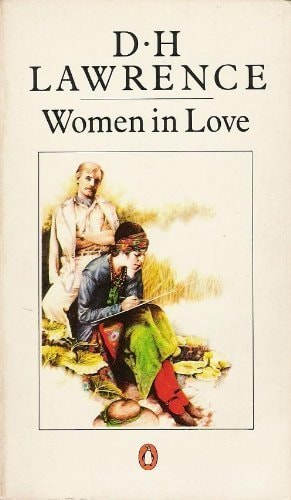
Women in Love
0
0
As an Amazon Associate and affiliate partner, Menrva Books earns from qualifying purchases. Learn more
Author Description
Dark, but filled with bright genius, Women in Love is a prophetic masterpiece steeped in eroticism, filled with perceptions about sexual power and obsession that have proven to be timeless and true.
Menrva's Summary
THE PULSE
The central conflict emerges from the volatile, contrasting romantic entanglements of two sisters, Ursula and Gudrun Brangwen, as they navigate the shifting social and emotional landscapes of post-World War I England. Ursula and Gudrun seek fulfillment and autonomy through their relationships with Rupert Birkin and Gerald Crich, respectively. The narrative explores the tension between individual desire and the restrictive expectations of industrial society. Lawrence employs a dense, psychological prose style to examine the characters' internal states, often prioritizing symbolic interaction over linear plot progression. The world is defined by the encroaching mechanization of the mining industry and the breakdown of traditional Victorian social structures.
INSIDE THE PAGES
- Exploration of the dialectic between spiritual and physical love
- Critique of industrialization and its impact on human connection
- Use of symbolic landscapes to mirror internal character states
- Examination of power dynamics within heterosexual relationships
- Focus on the psychological evolution of the Brangwen sisters
- Integration of philosophical discourse regarding the nature of the soul
- Non-traditional narrative structure emphasizing emotional intensity
- Portrayal of the alienation inherent in modern social life
THE COLLECTIVE ECHO
Discussion often centers on the intense, often claustrophobic nature of the character interactions and the philosophical weight Lawrence places on his protagonists. Readers frequently highlight the stark contrast between the two central couples, noting how their differing approaches to intimacy serve as a critique of early twentieth-century social norms. Critics often point to the atmospheric, almost dreamlike quality of the prose, which prioritizes the exploration of subconscious drives over conventional action. The work remains a subject of debate regarding its treatment of gender roles and the author's specific views on the necessity of human connection in an increasingly mechanized world.
Page Count:
0
Publication Date:
1998-01-01
Publisher:
Oxford University Press
ISBN-10:
0191610496
ISBN-13:
9780191610493
Literary Fiction
Romance
Modernist
classic
Psychological
Community Tags
Similar Books