
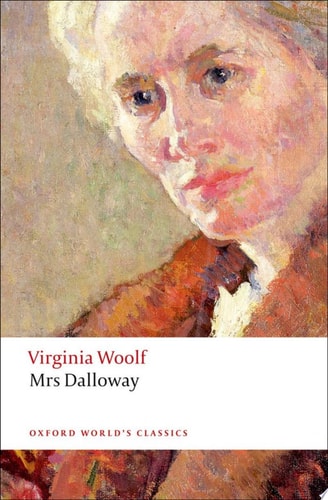
Mrs. Dalloway
0
0
As an Amazon Associate and affiliate partner, Menrva Books earns from qualifying purchases. Learn more
Author Description
No description available.
Menrva's Summary
THE PULSE
Clarissa Dalloway prepares for an evening party in post-World War I London while her internal monologue intersects with the fractured consciousness of a shell-shocked veteran. Clarissa navigates the social requirements of her upper-class existence, balancing memories of her youth with the immediate demands of her present day. Simultaneously, Septimus Warren Smith struggles with the trauma of the Great War, his perception of reality increasingly detached from the society around him. The narrative framework utilizes a stream-of-consciousness technique, shifting fluidly between the perspectives of various characters as they move through the city. The primary conflict arises from the tension between the external social order and the internal, often chaotic, psychological states of the individuals inhabiting it.
INSIDE THE PAGES
- Stream-of-consciousness narrative style
- Non-linear temporal progression
- Multiple shifting focal characters
- Exploration of post-war societal trauma
- Focus on the significance of mundane daily activities
- Interconnected character vignettes
- Symbolic use of Big Ben and the passage of time
- Introspective examination of memory and regret
THE COLLECTIVE ECHO
Discussion often centers on the technical innovation of the stream-of-consciousness style, which captures the fluidity of human thought. Readers frequently highlight the contrast between Clarissa’s structured social world and the fragmented reality experienced by Septimus. Critics often examine how the text functions as a critique of the rigid social hierarchies and the lingering psychological impact of the First World War. The pacing is noted for being internal and reflective rather than driven by external plot events, requiring close attention to the shifts in perspective. Many readers appreciate the atmospheric depiction of London, which serves as a unifying element for the disparate internal experiences of the characters.
Page Count:
0
Publication Date:
1998-01-01
Publisher:
Oxford University Press
ISBN-10:
0192834304
ISBN-13:
9780192834300
Literary Fiction
classic
Psychological
Modernist
Community Tags
Other Editions(25)

Les Prairies Numeriques
2026
Default edition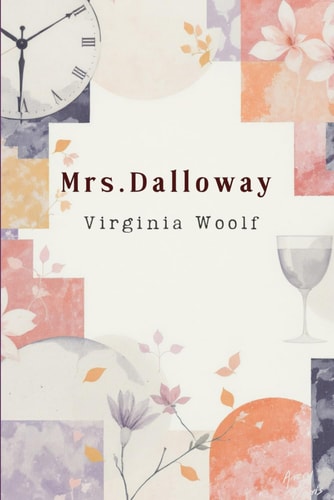
Independently published
2025

Independently published
2024

Independently published
2023

Independently published
2023

Independently Published
2022
Independently Published
2022
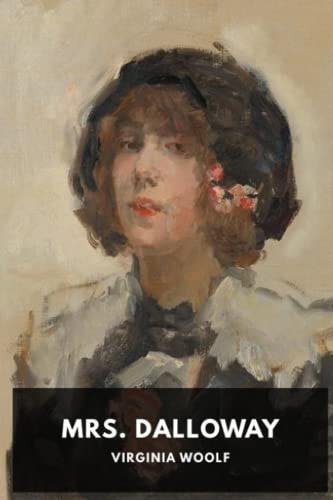
Independently published
2022
Independently Published
2022

Independently Published
2022
Independently Published
2022

Independently Published
2021

Independently published
2021

Independently published
2021

Independently Published
2019

Melville House Pub
2012

AudioGO
2011
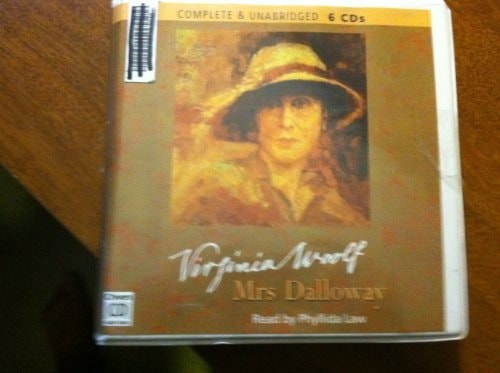
Chivers Sound Library
2003

Books on Tape
2001
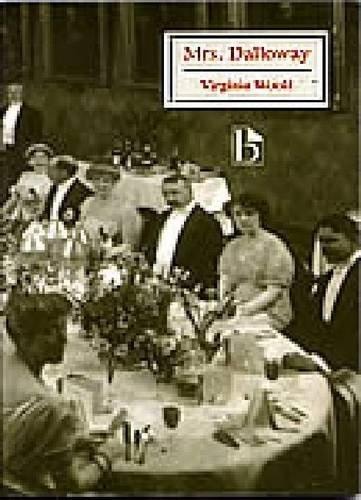
Broadview Press
2000
Oxford University Press
1998
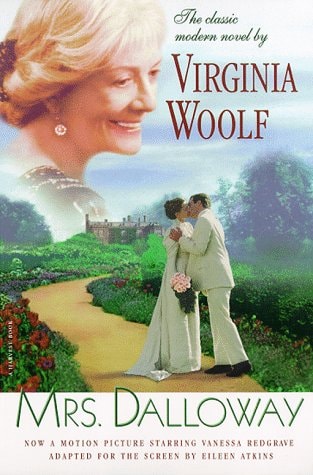
Harcourt
1997
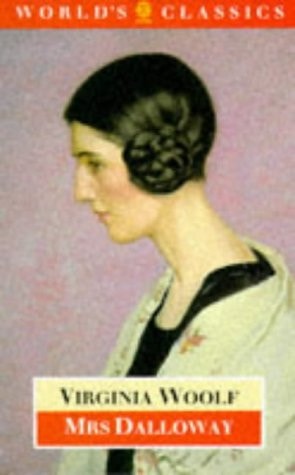
Oxford University Press
1992
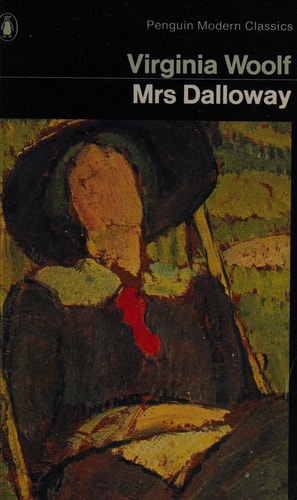
Penguin Books
1971
Harcourt
1964
Similar Books




Reader Comments
Share Your Thoughts
No comments yet. Be the first to share your thoughts!