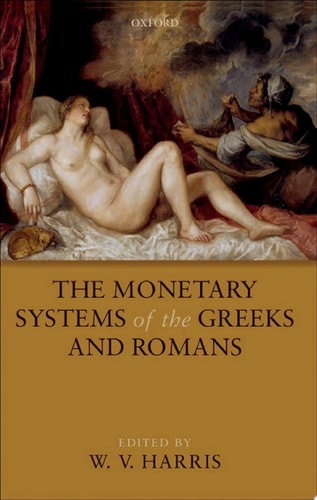
The Monetary Systems of the Greeks and Romans
0
0
As an Amazon Associate and affiliate partner, Menrva Books earns from qualifying purchases. Learn more
Author Description
Most people have some idea what Greeks and Romans coins looked like, but few know how complex Greek and Roman monetary systems eventually became. The contributors to this volume are numismatists, ancient historians, and economists intent on investigating how these systems worked and how they both did and did not resemble a modern monetary system. Why did people first start using coins? How did Greeks and Romans make payments, large or small? What does money mean in Greek tragedy? Was the Roman Empire an integrated economic system? This volume can serve as an introduction to such questions, but it also offers the specialist the results of original research.
Menrva's Summary
THE THESIS
This volume investigates the structural complexity and functional mechanics of Greek and Roman monetary systems to determine how they operated and how they compare to modern economic frameworks. Edited by W. V. Harris, the text compiles research from numismatists, historians, and economists to address the origins of coinage and the broader implications of money in ancient society. The contributors analyze payment methods, the integration of the Roman economy, and the cultural symbolism of currency in classical literature.
THE SCOPE MAP
What You Will Find
- Analysis of the origins and evolution of ancient coinage
- Examination of payment systems for both small-scale and large-scale transactions
- Investigation into the economic integration of the Roman Empire
- Exploration of the cultural and literary significance of money in Greek tragedy
Scope Limits
- Does not provide a comprehensive history of every individual coin type
- Does not offer a complete economic history of the entire Mediterranean basin
THE AUTHORITY PERSPECTIVE
Experts recognize this volume as a valuable interdisciplinary resource that bridges the gap between numismatics and economic history. Readers frequently note the academic density of the prose, which serves both as an introduction for students and a source of original research for specialists.
Page Count:
345
Publication Date:
2010-01-01
Publisher:
OUP Oxford
ISBN-10:
019161517X
ISBN-13:
9780191615177
Economics
History
Ancient History
Money rome
Numismatics
Money & BankingMonetary Theory
Money greece