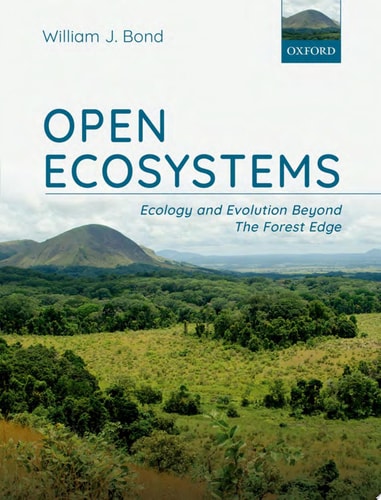
Open Ecosystems: Ecology And Evolution Beyond The Forest Edge
0
0
As an Amazon Associate and affiliate partner, Menrva Books earns from qualifying purchases. Learn more
Author Description
This Book Explores The Geography, Ecology, And Antiquity Of 'open Ecosystems', Which Include Grasslands, Savannas, And Shrublands. They Occur In Climates That Can Support Closed Forest Ecosystems And Often Form Mosaics With Forest Patches. With The Aid Of Remote Sensing, It Is Now Clear That Open Ecosystems Are A Global Phenomenon And Occur Over Vast Areas In Climates That Could Also Support Forests. This Book Goes Beyond Regional Narratives And Seeks General Explanations For Their Existence. It Develops The Theme Of Open Ecosystems As Being Widespread And Ancient, With A Distinct Biota From That Of Closed Forests. It Examines Hypotheses For Their Maintenance In Climate Zones Favouring The Development Of Forests, Including Fire, Vertebrate Herbivory, And Soils Hostile For Tree Growth. Open Ecosystems: Ecology And Evolution Beyond The Forest Edge Provides An Accessible Introduction For Graduate Students And Researchers Of Open (non-forested) Ecosystem Ecology In Departments Of Ecology, Geography, And Environmental Science. It Will Also Be Of Relevance And Use To Professional Ecologists, Biogeographers, And Global Change Biologists Requiring A Concise, Authoritative Overview Of The Topic.
Menrva's Summary
THE THESIS
This book investigates the ecological and evolutionary mechanisms that maintain open ecosystems, such as grasslands and savannas, in climate zones capable of supporting closed forests. William J. Bond, a distinguished ecologist, synthesizes global data to challenge the assumption that these landscapes are merely successional stages toward forest development. By examining fossil records, phylogenetic data, and environmental stressors, he argues that open ecosystems are ancient, distinct, and globally significant biomes that require specific maintenance factors to persist.
THE SCOPE MAP
What You Will Find
- Analysis of the global distribution of grasslands, savannas, and shrublands using remote sensing data.
- Evaluation of maintenance hypotheses including fire regimes, vertebrate herbivory, and edaphic constraints.
- Examination of the evolutionary history of open-habitat biota through fossil and phylogenetic evidence.
Scope Limits
- The text focuses primarily on the ecological and evolutionary drivers of open ecosystems rather than detailed conservation management strategies for specific regions.
THE AUTHORITY PERSPECTIVE
Experts recognize this work as a foundational synthesis for understanding non-forested biomes in the context of global climate change. Readers frequently note the clarity of the prose, which makes complex biogeographical concepts accessible to graduate students and professional researchers alike.
Page Count:
0
Publication Date:
1900-01-01
Publisher:
Oxford University Press,
ISBN-10:
0191850314
ISBN-13:
9780191850318
Grassland ecology
Shrubland ecology
Biogeography
Meadow ecology
Biology
Fire ecology
Ecology
Earth Science