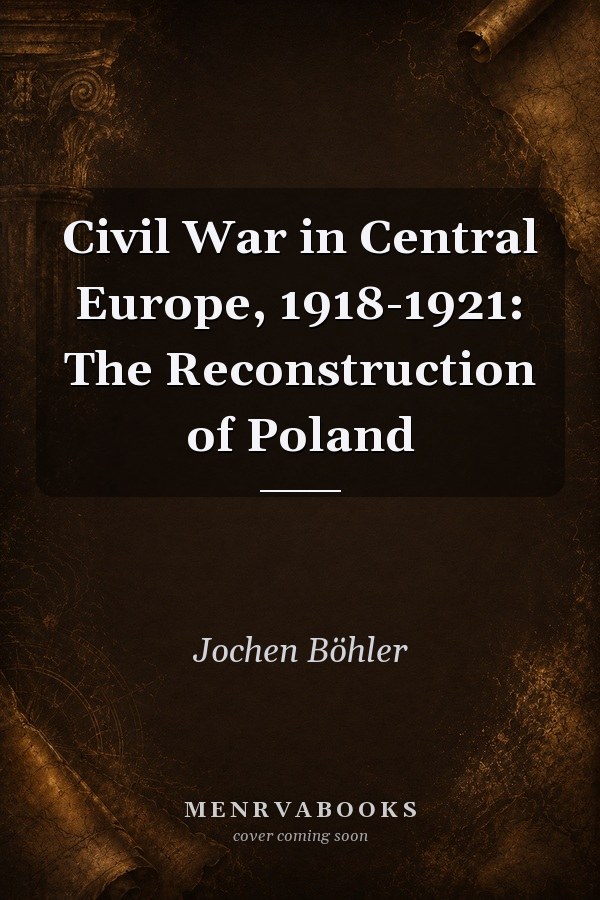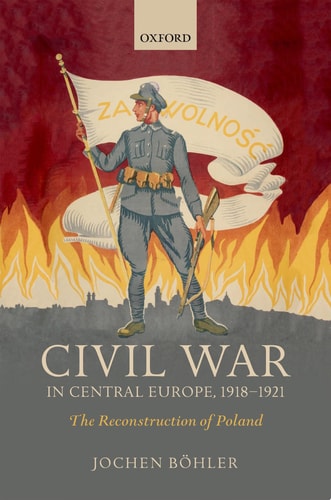
Civil War in Central Europe, 1918-1921
0
0
As an Amazon Associate and affiliate partner, Menrva Books earns from qualifying purchases. Learn more
Author Description
The First World War Did Not End In Central Europe In November 1918. The Armistices Marked The Creation Of The Second Polish Republic And The First Shot Of The Central European Civil War Which Raged From 1918 To 1921. The Fallen German, Russian, And Austrian Empires Left In Their Wake Lands With Peoples Of Mixed Nationalities And Ethnicities. These Lands Soon Became Battle Grounds And The Ethno-political Violence That Ensued Forced Those Living Within Them To Decide On Their National Identity. Civil War In Central Europe Seeks To Challenge Previous Notions That Such Conflicts Which Occurred Between The First And Second World Wars Were Isolated Incidents And Argues That They Should Be Considered As Part Of A European War; A War Which Transformed Poland Into A Nation.
Menrva's Summary
THE THESIS
This work investigates the violent transition of Central Europe following the collapse of the German, Russian, and Austrian empires, arguing that the conflicts between 1918 and 1921 constituted a singular, interconnected European war rather than isolated incidents. Jochen Böhler, a historian specializing in the history of Central and Eastern Europe, utilizes archival records and contemporary accounts to reframe the post-WWI period. He posits that the ethno-political violence of this era was a foundational process that solidified national identities and transformed Poland into a sovereign state.
THE SCOPE MAP
What You Will Find
- Analysis of the power vacuum left by the collapse of the three major empires.
- Examination of the transition from imperial rule to the formation of the Second Polish Republic.
- Documentation of the ethno-political violence and border conflicts across Central Europe.
Scope Limits
- The study focuses primarily on the period between 1918 and 1921.
- It does not provide a comprehensive military history of all individual regional skirmishes, focusing instead on the broader structural conflict.
THE AUTHORITY PERSPECTIVE
Historians recognize this text as a significant contribution to understanding the overlooked continuity of violence in the immediate post-WWI era. Readers frequently note the academic rigor and the author's ability to synthesize complex geopolitical shifts into a coherent narrative of nation-building.
Page Count:
272
Publication Date:
2018-01-01
Publisher:
Oxford University Press
ISBN-10:
019251332X
ISBN-13:
9780192513328
History
Military History
Political History
Poland
20th Century
European History
Community Tags
Similar Books