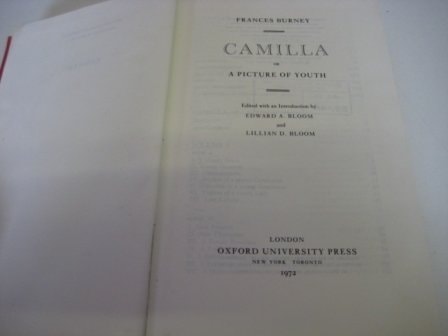
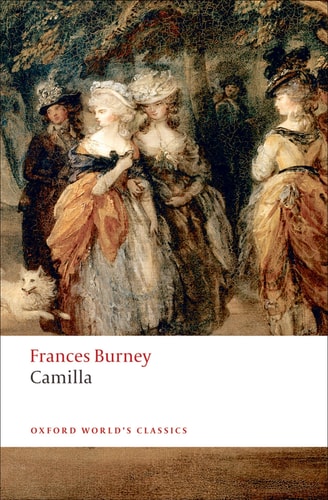
Camilla: Or, A Picture of Youth
0
0
As an Amazon Associate and affiliate partner, Menrva Books earns from qualifying purchases. Learn more
Author Description
First published in 1796, Camilla deals with the matrimonial concerns of a group of young people - Camilla Tyrold and her sisters, the daughters of a country parson, and their cousin Indiana Lynmere-and, in particular, with the love affair between Camilla herself and her eligible suitor, Edgar Mandlebert. The path of true love, however, is strewn with intrigue, contretemps and misunderstanding.An enormously popular eighteenth-century novel, Camilla is touched at many points by the advancing spirit of romanticism. As in Evelina, Fanny Burney weaves into her novel strands of light and dark, comic episodes and gothic shudders, and creates a pattern of social and moral dilemmas which emphasize and illuminate the gap between generations.
Menrva's Summary
THE PULSE
The central conflict arises from the complex matrimonial prospects and moral maturation of Camilla Tyrold as she navigates the social expectations of eighteenth-century England. Camilla, the daughter of a country parson, seeks to secure her future and her relationship with the eligible Edgar Mandlebert while contending with the influence of her guardian and the social pressures exerted by her peers. The narrative follows her through a series of financial and romantic missteps that test her judgment and character. Written in a prose style characteristic of the late eighteenth century, the novel examines the tension between individual desire and the rigid constraints of social propriety.
INSIDE THE PAGES
- Exploration of the transition from adolescence to adulthood
- Detailed depiction of eighteenth-century social hierarchies
- Integration of comic episodes alongside moments of gothic tension
- Focus on the moral education of young women
- Examination of the financial realities of marriage
- Use of epistolary elements and dialogue to drive character development
- Contrast between rural simplicity and urban sophistication
- Analysis of the generational divide in social values
THE COLLECTIVE ECHO
Discussion often centers on the novel's intricate portrayal of the social and moral dilemmas faced by young women in the late 1700s. Readers frequently highlight the balance Burney maintains between lighthearted social comedy and the more serious, often darker, psychological struggles of the protagonist. Critics often note the influence of romanticism on the narrative, pointing to the shift in tone compared to the author's earlier works. The pacing is frequently described as deliberate, allowing for a deep examination of the characters' internal motivations and the external pressures of their environment. Many readers appreciate the way the text illuminates the specific cultural anxieties regarding marriage and reputation during the period.
Page Count:
956
Publication Date:
1972-01-01
Publisher:
Oxford University Press
ISBN-10:
0192553275
ISBN-13:
9780192553270
Romance
Historical
Classic Literature
Social Satire
18th century
Coming of Age
Young women
Community Tags
Other Editions(3)

Similar Books