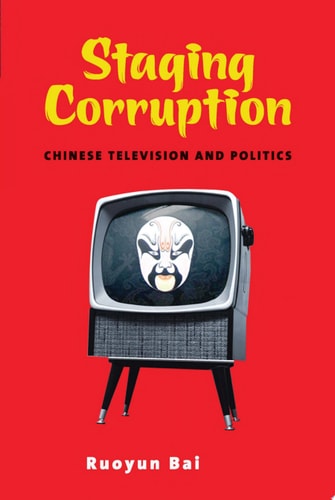
Staging Corruption
0
0
As an Amazon Associate and affiliate partner, Menrva Books earns from qualifying purchases. Learn more
Author Description
In late 1995, the drama Heaven Above (Cangtian zaishang) debuted on Chinese TV. Featuring a villainous high-ranking government official, it was the first in a series of wildly popular corruption dramas that riveted the nation. In Staging Corruption, Ruoyun Bai looks at the rise, fall, and reincarnation of these dramas and the ways in which they express the collective dreams and nightmares of China in the market-reform era. She charts the serials’ genesis as a key component of the Communist Party’s anticorruption struggles to their re-emergence, following a government crackdown in 2004, as highly cynical representations of power and money. She considers the political implications of media commercialization in China, showing that the commercialized television culture is actually a better vehicle for cynical representations of corruption. Her book shows how these dramas – as products of the interplay between television stations, production companies, media regulation, and political censorship – unveil complicated relationships between power, media, and society. Staging Corruption will be essential reading for those following China's ongoing struggles with the highly volatile issue of political and social nepotism.
Menrva's Summary
THE THESIS
This book investigates the rise, fall, and reincarnation of Chinese television dramas focused on corruption and their expression of the nation's collective dreams and nightmares during the market-reform era. Ruoyun Bai examines these dramas from their origins as tools in the Communist Party's anticorruption campaigns to their later, more cynical portrayals of power and money following a 2004 crackdown. The analysis explores the political implications of media commercialization in China, arguing that a commercialized television culture paradoxically serves as a more effective medium for cynical representations of corruption. The book details how these dramas, shaped by the complex interplay of television stations, production companies, regulatory bodies, and political censorship, reveal intricate relationships between power, media, and society.
THE SCOPE MAP
- The genesis of corruption dramas as a component of the Communist Party’s anticorruption struggles.
- The re-emergence of these dramas after a government crackdown in 2004 as cynical representations of power and money.
- Analysis of the political implications of media commercialization in China.
- The argument that commercialized television culture is a better vehicle for cynical representations of corruption.
- Exploration of the complicated relationships between power, media, and society as revealed by these dramas.
- The role of television stations, production companies, media regulation, and political censorship in shaping these narratives.
- The expression of collective dreams and nightmares of China in the market-reform era through these television series.
THE AUTHORITY PERSPECTIVE
The book is positioned as essential reading for those interested in China's ongoing struggles with political and social nepotism. Its analysis of media commercialization and its role in representing corruption suggests a nuanced understanding of the interplay between state control and cultural production in contemporary China. The work likely appeals to scholars and students of Chinese politics, media studies, and cultural history, offering insights into how popular media reflects and shapes societal anxieties.
Page Count:
292
Publication Date:
2014-09-04
Publisher:
University of British Columbia Press
ISBN-10:
0774826339
ISBN-13:
9780774826334
History
Non-Fiction
Politics
Corruption
Chinese Politics
Media Studies
Community Tags
Similar Books