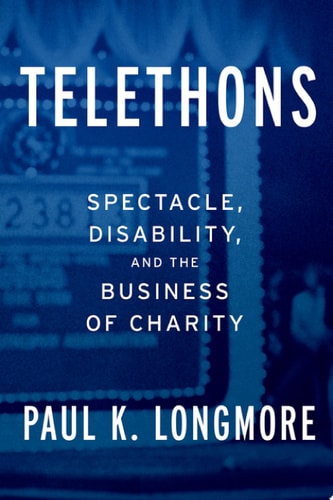
Telethons
0
0
As an Amazon Associate and affiliate partner, Menrva Books earns from qualifying purchases. Learn more
Author Description
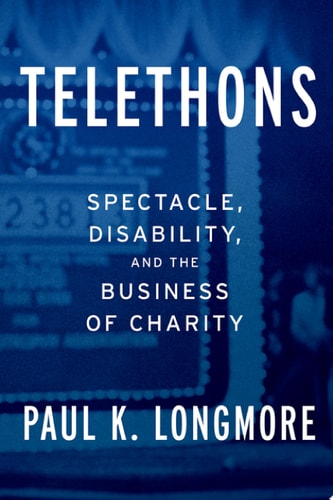
Movie Stars, Entertainers, Game-show Hosts, Jugglers, Plate-spinners, Gospel Choirs, Corporate Executives Posing With Over-sized Checks, Household Name-brand Products, Smiling Children In Leg Braces-all Were Fixtures Of The Phenomenon That Defined American Culture In The Second Half Of The Twentieth Century: The Telethon. Hundreds Of Millions Watched These Weekend-long Variety Shows That Raised Billions Of Dollars For Disability-related Charities. Drawing On Over Two Decades Of In-depth Research, Telethons Trenchantly Explores The Complexity Underneath The Campy Spectacles. At Its Center Are The Disabled Children, Who, Thanks To A Particular Kind Of Historical-cultural Marginalization, Turned Out To Be Ideal Tools For Promoting Corporate Interests, Privatized Healthcare, And Class Status. Offering A Public Message About Helping These Unfortunate Victims, Telethons Perpetuated A Misleading Image Of People With Disabilities As Helpless, Passive, Apolitical Members Of American Society. Paul K. Longmore's Revelatory Chronicle Shows How These Images In Fact Helped Major Corporations Increase Their Bottom Lines, While Filling Gaps In The Strange Public-private Hybrid U.s. Health Insurance System. Only Once Disabled People Pushed Back In Public Protests Did The Broader Implications For All Americans Become Clear. Mining Insights From Great Thinkers Such As Adam Smith, Edmund Burke, And Alexis De Tocqueville, Along With Contemporary Cultural Figures Like Jerry Lewis, Ralph Nader, And Several Disability Rights Activists, Telethons Offers A Provocative Meditation On Big Business, American Government, Popular Culture, Cold War Values, And Activism Both Narrowly And Broadly Defined. As Highly Popular Entertainment, Telethons Schooled Americans About How To Feel About Their Bodies, Fitness, Health, And Appropriate Ways To Interact With People Whose Bodies Did Not Fit Norms Determined By Advertisers. The Programs Also Taught Them About When To Weep And How To Cure Guilt Through C
Menrva's Summary
THE THESIS
How did the televised charity telethon shape American perceptions of disability while serving the interests of corporate and political institutions? Paul K. Longmore, a historian and disability rights activist, utilizes two decades of archival research and cultural analysis to argue that telethons functioned as tools for privatized healthcare and corporate branding. He posits that these programs reinforced a narrative of disability as a passive, apolitical condition, ultimately influencing public policy and social attitudes toward health and bodily norms in the United States.
THE SCOPE MAP
What You Will Find
- Analysis of the intersection between Cold War values, corporate philanthropy, and the U.S. healthcare system.
- Examination of the cultural iconography of the 'poster child' and its impact on public empathy.
- Theoretical frameworks derived from Adam Smith, Edmund Burke, and Alexis de Tocqueville applied to modern media spectacles.
Scope Limits
- The text focuses primarily on the American experience of telethons during the second half of the twentieth century.
- It does not provide an exhaustive history of every individual charity organization, focusing instead on the systemic cultural and political implications of the format.
THE AUTHORITY PERSPECTIVE
Scholars in disability studies and media history frequently cite this work as a foundational text for understanding the commodification of charity. Readers often note the academic density of the prose, which provides a rigorous critique of the socio-political mechanisms behind popular entertainment.
Page Count:
352
Publication Date:
2015-01-01
Publisher:
Oxford University Press
ISBN-10:
0190262087
ISBN-13:
9780190262082
History
Media Studies
Sociology
Community Tags
Similar Books