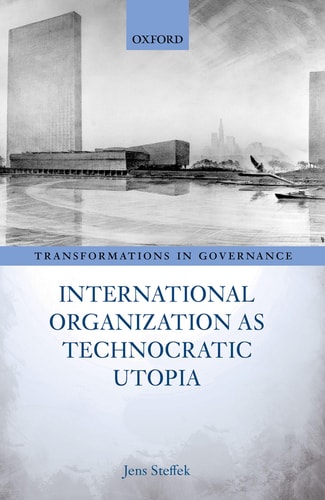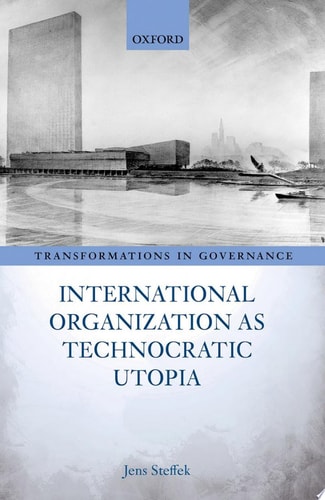
International Organization As Technocratic Utopia
0
0
As an Amazon Associate and affiliate partner, Menrva Books earns from qualifying purchases. Learn more
Author Description
As Climate Change And A Pandemic Pose Enormous Challenges To Humankind, The Concept Of Expert Governance Gains New Traction. This Book Revisits The Idea That Scientists, Bureaucrats, And Lawyers, Rather Than Politicians Or Diplomats, Should Manage International Relations. It Shows That This Technocratic Approach Has Been A Persistent Theme In Writings About International Relations, Both Academic And Policy-oriented, Since The 19th Century. The Technocratic Tradition Of International Thought Unfolded In Four Phases Which Were Closely Related To Domestic Processes Of Modernization And Rationalization. The Pioneering Phase Lasted From The Congress Of Vienna To The First World War. In These Years, Philosophers, Law Scholars, And Early Social Scientists Began To Combine Internationalism And Ideals Of Expert Governance. Between The Two World Wars, A Utopian Period Followed That Was Marked By Visions Of Technocratic International Organizations That Would Have Overcome The Principle Of Territoriality. In The Third Phase, From The 1940s To The 1960s, Technocracy Became The Dominant Paradigm Of International Institution-building. That Paradigm Began To Disintegrate From The 1970s Onwards, But Important Elements Remain Until The Present Day. The Specific Promise Of Technocratic Internationalism Is Its Ability To Transform Violent And Unpredictable International Politics Into Orderly And Competent Public Administration. Such Ideas Also Had Political Clout. This Book Shows How They Left Their Mark On The League Of Nations, The Functional Branches Of The United Nations System, And The European Integration Project.
Menrva's Summary
THE THESIS
This book investigates the historical evolution and enduring influence of technocratic governance as a proposed solution to the complexities of international relations. Jens Steffek, a professor of transnational governance, utilizes a historical-institutionalist framework to analyze how intellectuals, lawyers, and bureaucrats have consistently advocated for expert-led administration over traditional diplomacy. The work argues that the promise of technocracy—transforming unpredictable politics into orderly public administration—has shaped major global institutions since the 19th century.
THE SCOPE MAP
What You Will Find
- A four-phase historical analysis of technocratic thought from the 19th century to the present.
- Examination of the League of Nations, the United Nations system, and the European integration project.
- Theoretical exploration of the intersection between domestic modernization and international institution-building.
Scope Limits
- The analysis focuses primarily on Western intellectual traditions and institutional developments.
- The text does not provide a prescriptive guide for future policy implementation.
THE AUTHORITY PERSPECTIVE
Scholars in the field of international relations recognize this work as a comprehensive intellectual history of technocratic thought. Readers frequently note the academic rigor and the clarity with which the author connects historical utopian visions to contemporary governance challenges.
Page Count:
0
Publication Date:
2021-01-01
ISBN-10:
0192660381
ISBN-13:
9780192660381
History
Sociology
International relations
Technocracy
Governance