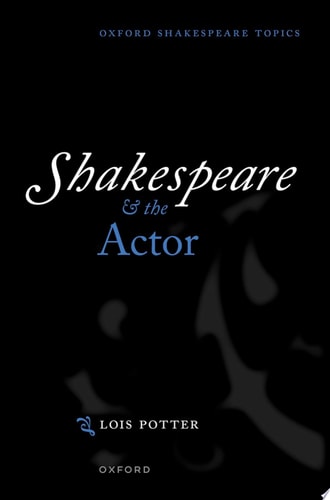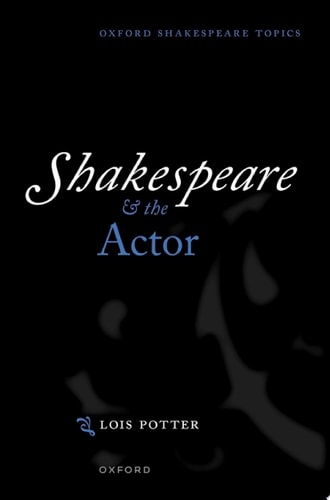
Shakespeare and the Actor
0
0
As an Amazon Associate and affiliate partner, Menrva Books earns from qualifying purchases. Learn more
Author Description
What is a 'Shakespearean actor'? Does the term still have any meaning? Drawing on the biographical and autobiographical accounts of actors and directors, as well as on interviews with actors from a wide range of backgrounds, this book looks at these questions in a variety of contexts, historical and contemporary. A survey of the training of the classical actor, with its increasing vocal and physical demands, considers how it, like its subsequent career path, is affected by class and gender. There is discussion of the uneasy balance of power between actors and directors, rehearsal practice, the difficulties faced by women as performers and directors, and attempts at undirected productions. Other chapters consider the roles that actors do and don't want to play, and why, their relation to the Shakespeare text and editorial practice, the complex relationship between actor and audience, and the popularity of anecdotes about things that go wrong. Throughout, examples are taken, as far as possible, from the author's own long experience of theatregoing. A final chapter looks at new trends in the theatre that have been accelerated by the long period of closure during the pandemic, particularly attempts at greater inclusivity in both actors and audiences. It concludes that the main reason Shakespeare is performed is that actors want to play the roles he wrote.
Menrva's Summary
THE THESIS
This book investigates the evolving identity and professional reality of the Shakespearean actor within both historical and contemporary theatrical frameworks. Lois Potter, a seasoned observer of the stage, synthesizes biographical accounts, director interviews, and her own extensive experience as a theatergoer to analyze the craft. She argues that the persistence of Shakespearean performance is fundamentally driven by the enduring desire of actors to inhabit these specific roles despite shifting cultural and institutional pressures.
THE SCOPE MAP
What You Will Find
- Historical and contemporary analysis of actor training methodologies
- Examination of power dynamics between directors and performers
- Discussion of gender and class barriers within the profession
- Analysis of the relationship between textual interpretation and performance
- Insights into the impact of the pandemic on theatrical inclusivity
Scope Limits
- Does not provide a technical acting manual or instructional guide for performers
- Focuses primarily on the Western theatrical tradition rather than global performance practices
THE AUTHORITY PERSPECTIVE
Scholars and theater practitioners frequently cite this work for its balanced integration of historical context and practical industry observation. It is widely regarded as a useful resource for those interested in the intersection of performance theory and the lived experience of the professional actor.
Page Count:
166
Publication Date:
2022-01-01
Publisher:
OUP Oxford
ISBN-10:
0192693425
ISBN-13:
9780192693426
Non-Fiction
Acting
Theater History
English
English literature
English & College Success