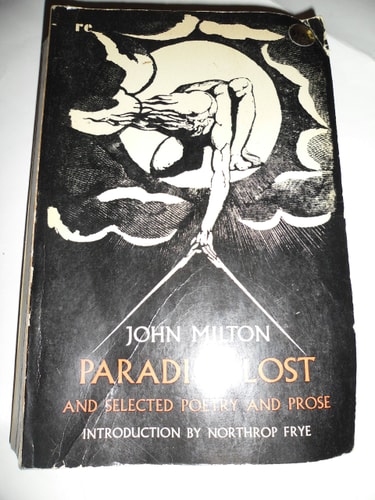
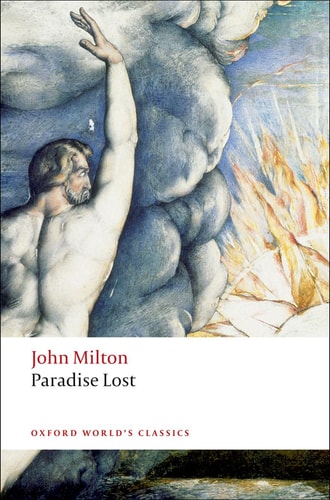
Paradise Lost
0
0
As an Amazon Associate and affiliate partner, Menrva Books earns from qualifying purchases. Learn more
Author Description
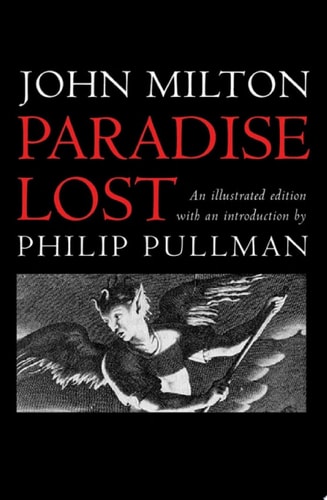
Paradise Lost is the great epic poem of the English language, a tale of immense drama and excitement, of rebellion and treachery, of innocence pitted against corruption, in which God and Satan fight a bitter battle for control of mankind's destiny. The struggle ranges across heaven, hell, and earth, as Satan and his band of rebel angels conspire against God. At the center of the conflict are Adam and Eve, motivated by all too human temptations, but whose ultimate downfall is unyielding love.This marvelous edition boasts an introduction by one of Milton's most famous modern admirers, the best-selling novelist Philip Pullman. Indeed, Pullman not only provides a general introduction, but also introduces each of the twelve books of the poem. In these commentaries, Pullman illuminates the power of the poem and its achievement as a story, suggests how we should read it today, and describes its influence on him and his acclaimed trilogy His Dark Materials, which takes its title from a line in the poem. His observations offer a tribute that is both personal and insightful, and his enthusiasm for Milton's language, skill, and supreme gifts as a storyteller is infectious. He encourages readers above all to experience the poem for themselves, and surrender to its enchantment.Pullman's tremendous admiration and passion for Paradise Lost will attract a whole new generation of readers to this classic of English literature. An ideal gift, the book is beautifully produced, printed in two colors throughout, illustrated with the twelve engravings from the first illustrated edition published in 1688, with ribbon marker.
Menrva's Summary
THE PULSE
The central conflict involves the rebellion of Satan against the authority of God and the subsequent temptation of humanity. The narrative follows the fall of the rebel angels and their plot to corrupt the newly created inhabitants of Eden, Adam and Eve. Milton utilizes a grand, epic structure to explore the motivations of these figures, framing the struggle as a cosmic battle for the future of mankind. The poem operates through a complex, elevated verse structure that spans the geography of heaven, hell, and the terrestrial world.
INSIDE THE PAGES
- Use of blank verse throughout the twelve books
- Exploration of theological and philosophical themes
- Depiction of Satan as a complex, anti-heroic figure
- Detailed descriptions of the celestial and infernal realms
- Examination of human free will and divine providence
- Incorporation of classical epic conventions and allusions
- Focus on the psychological motivations of the primary characters
- Integration of moral and ethical dilemmas regarding obedience and rebellion
THE COLLECTIVE ECHO
Readers and critics frequently analyze the work for its linguistic complexity and the profound influence it has exerted on Western literature. Discussion often centers on the characterization of Satan, with many debating whether he serves as a tragic figure or a symbol of destructive pride. Scholars highlight the effectiveness of Milton's world-building, which creates a vivid, expansive atmosphere that bridges the gap between the divine and the human experience. The poem remains a subject of intense study due to its exploration of temptation, morality, and the nature of human existence. Many readers appreciate the rhythmic quality of the verse, though they acknowledge that the archaic language requires patience and careful attention to fully grasp the narrative intent.
Page Count:
384
Publication Date:
2005-09-15
Publisher:
Oxford University Press
ISBN-10:
019280619X
ISBN-13:
9780192806192
History
Poetry
Fantasy
Classic Literature
Mythology
Epic Poetry
Religious
Community Tags
Other Editions(5)
Similar Books


Reader Comments
Share Your Thoughts
No comments yet. Be the first to share your thoughts!