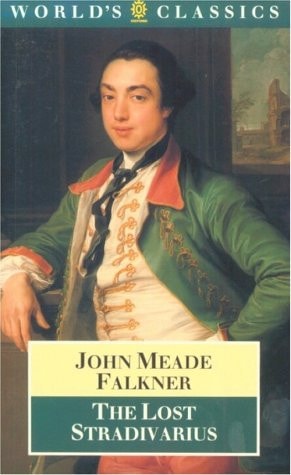
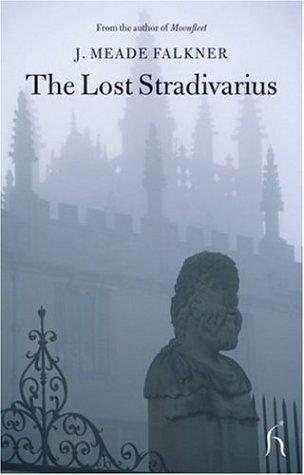
The Lost Stradivarius
0
0
As an Amazon Associate and affiliate partner, Menrva Books earns from qualifying purchases. Learn more
Author Description
Set in Oxford and Naples during the 1840s, The Lost Stradivarius is a tale of demonic possession and of the terrible price paid by "those who would exalt art at the expense of everything else." Though long recognized as a classic and gripping story of the occult, it is also a work which touches the "decadent" years of the nineteenth century at sensitive points--the psychical, the moral, and the aesthetic. This is the only annotated edition available and it contains extensive notes about the Aesthetic Movement, neoplatonism, and musical instruments.
Menrva's Summary
THE PULSE
A young man discovers a hidden violin that serves as a conduit for a malevolent, centuries-old spirit. The protagonist, a student at Oxford, becomes obsessed with the instrument, which leads him into a downward spiral of moral decay and psychological fragmentation. As he attempts to master the music of the Stradivarius, he finds himself increasingly isolated from his peers and reality itself. The narrative employs a traditional Victorian structure, utilizing a measured, atmospheric prose style to document the protagonist's descent into the occult.
INSIDE THE PAGES
- Exploration of the intersection between aestheticism and moral corruption
- Atmospheric settings shifting between academic Oxford and the shadows of Naples
- Use of musical obsession as a catalyst for supernatural events
- Examination of the psychological toll of artistic fixation
- Incorporation of neoplatonic philosophy and occult themes
- Pacing that emphasizes slow-building dread over overt action
- Focus on the destructive nature of obsession
- Integration of historical context regarding the nineteenth-century decadent movement
THE COLLECTIVE ECHO
Readers and critics frequently identify this work as a significant entry in the Victorian gothic tradition. Discussion often centers on the author's ability to maintain a sense of unease through the protagonist's internal transformation rather than relying on external horror tropes. Many observers highlight the book's thematic focus on the dangers of prioritizing aesthetic beauty above human morality. The text is often praised for its scholarly depth, particularly in editions that provide context on the era's fascination with the occult and musical history. It remains a frequent subject of analysis for those interested in the darker side of nineteenth-century literature.
Page Count:
224
Publication Date:
1991-11-14
Publisher:
Oxford University Press
ISBN-10:
0192828487
ISBN-13:
9780192828484
Horror
Occult
classic
Gothic
Victorian
Supernatural
Community Tags
Other Editions(14)

Creative Media Partners, LLC
2025
Default edition
Independently Published
2020

Independently Published
2020

Independently Published
2020

Independently Published
2020

Amazon Digital Services LLC - KDP Print US
2019

Amazon Digital Services LLC - KDP Print US
2019

Amazon Digital Services LLC - KDP Print US
2018
Amazon Digital Services LLC - KDP Print US
2018
CreateSpace Independent Publishing Platform
2017

CreateSpace Independent Publishing Platform
2015
CreateSpace Independent Publishing Platform
2013
2004
Oxford University Press
1991
Similar Books

Reader Comments
Share Your Thoughts
No comments yet. Be the first to share your thoughts!