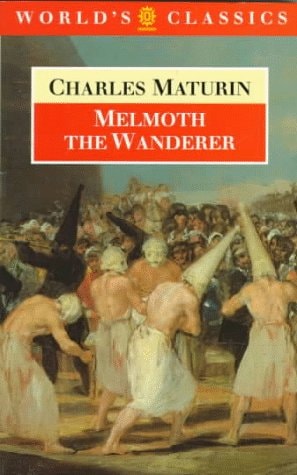
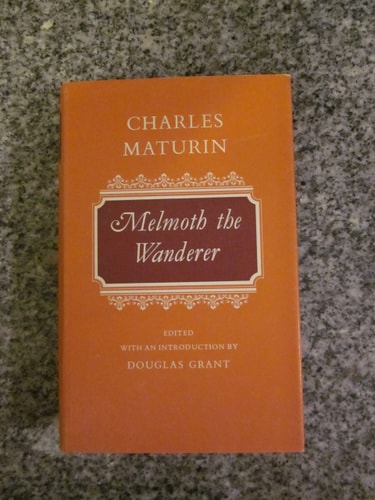
Melmoth the Wanderer
0
0
As an Amazon Associate and affiliate partner, Menrva Books earns from qualifying purchases. Learn more
Author Description
Written by an eccentric Anglican curate in Dublin, Melmoth the Wanderer brought the terrors of the Gothic novel to a new pitch of claustrophobic intensity. Its tormented villain, a Faustian transgressor desperately seeking a victim to release him from his fatal bargain with the devil, was regarded by Balzac as one of the great outcasts of modern literature.
Menrva's Summary
THE PULSE
A scholar discovers a cursed manuscript that reveals the existence of a man who has traded his soul for centuries of life and now seeks a replacement to bear his burden. The protagonist, John Melmoth, navigates a series of nested narratives that span across time and geography, encountering individuals who have been tempted by the Wanderer. The world is defined by religious dread, the cruelty of institutional confinement, and the psychological weight of an eternal, unredeemable existence. The narrative framework is highly complex, utilizing a frame story that contains multiple layers of embedded tales, shifting perspectives, and epistolary elements.
INSIDE THE PAGES
- Nested narrative structure
- Faustian bargain themes
- Gothic atmosphere and settings
- Epistolary components
- Exploration of religious and moral corruption
- Psychological torment of the protagonist
- Historical settings ranging from Ireland to Spain
- Intense, claustrophobic prose style
THE COLLECTIVE ECHO
Readers and critics frequently identify this work as a pinnacle of the Gothic tradition due to its relentless intensity and structural complexity. Discussion often centers on the innovative use of nested stories, which creates a sense of disorientation that mirrors the protagonist's own fractured reality. Many commentators highlight the influence of the text on later writers, particularly in its depiction of the anti-hero as a figure of profound isolation. The pacing is noted for its deliberate, often dense progression, which prioritizes atmospheric dread over conventional action sequences. Readers generally agree that the book demands significant focus to track the various threads of the narrative, yet they find the payoff in its thematic depth to be substantial.
Page Count:
584
Publication Date:
1989-08-10
Publisher:
Oxford University Press
ISBN-10:
0192821997
ISBN-13:
9780192821997
Horror
Fiction
Fiction - Horror
Gothic
Supernatural
classic
Community Tags
Other Editions(10)




Similar Books
Reader Comments
Share Your Thoughts
No comments yet. Be the first to share your thoughts!