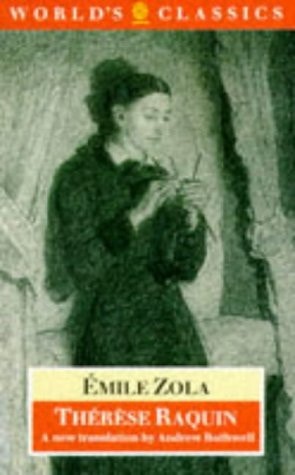
Thérèse Raquin
0
0
As an Amazon Associate and affiliate partner, Menrva Books earns from qualifying purchases. Learn more
Author Description
One of Zola's most famous realistic novels, Thérèse Raquin is a clinically observed, sinister tale of adultry and murder among the lower classes in nineteenth-century Parisian society. Zola's shocking tale dispassionately dissects the motivations of his characters--mere "human beasts", whokill in order to satisfy their lust--and stands as a key manifesto of the French Naturalist movement, of which the author was the founding father.
Menrva's Summary
THE PULSE
A stifling marriage and a clandestine affair ignite a descent into moral decay and psychological torment in the heart of nineteenth-century Paris. Thérèse Raquin, trapped in a loveless union with her sickly cousin Camille, seeks liberation through a volatile relationship with Laurent, a painter. Their pursuit of freedom necessitates the removal of the husband, leading to a calculated act of violence that binds them together in guilt. The narrative, presented through a detached, clinical lens, tracks the disintegration of their sanity as they face the consequences of their actions within the claustrophobic confines of their environment.
INSIDE THE PAGES
- Clinical, dispassionate narrative voice
- Exploration of human instinct and animalistic behavior
- Detailed depiction of nineteenth-century Parisian lower-class life
- Psychological study of guilt and paranoia
- Deterministic view of character development
- Focus on the physical manifestations of psychological trauma
- Symbolic use of the claustrophobic shop setting
- Examination of the intersection between lust and violence
THE COLLECTIVE ECHO
Discussion often centers on the novel's status as a foundational text for the French Naturalist movement. Readers frequently highlight the stark, unvarnished prose that Zola employs to dissect the base motivations of his characters. Critics often note the effectiveness of the atmosphere, which shifts from a mundane domestic setting to a suffocating environment of psychological horror. The balance between the characters' internal decay and their external social pressures remains a primary focus for those analyzing the work's thematic depth. Many readers find the clinical detachment of the narrator to be a defining feature that distinguishes this work from more sentimental literature of the period.
Page Count:
256
Publication Date:
1992-06-18
Publisher:
Oxford University Press
ISBN-10:
0192826530
ISBN-13:
9780192826534
Psychological Thriller
classic
Naturalism
French literature
Realism
Community Tags
Other Editions(26)
BoD - Books on Demand
2023
Default edition
Avarang Books
2023

Mint Editions
2021

Independently Published
2021
Mint Editions
2021

Independently Published
2021

Independently Published
2020

Independently Published
2020

Independently Published
2020

Independently Published
2020

Independently Published
2020
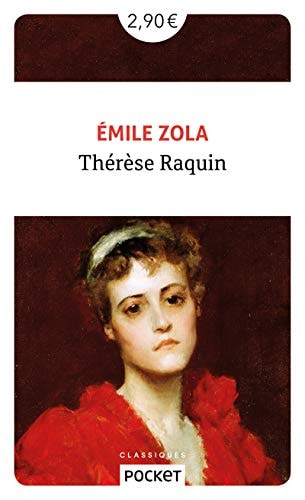
Pocket
2019

BoD - Books on Demand
2018

Independently Published
2018

Oxford University Press
2016

CreateSpace Independent Publishing Platform
2016

CreateSpace Independent Publishing Platform
2016
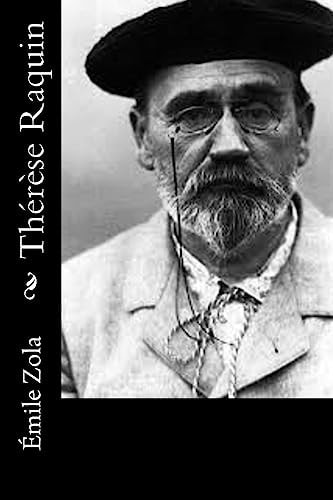
CreateSpace Independent Publishing Platform
2016

OUP Oxford
2016
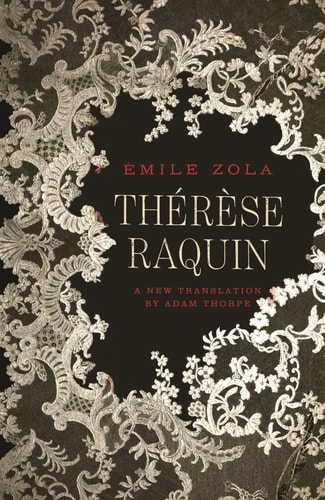
Vintage Books
2013

Digireads.com
2011

Gallimard
1998

Oxford University Press
1998
Oxford University Press
1992
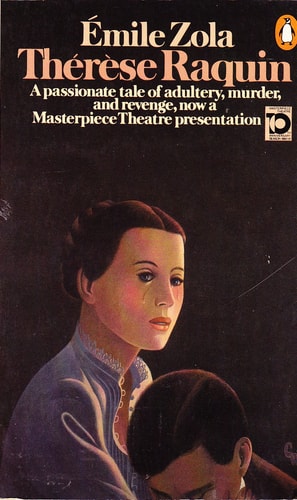
Penguin Books
1981

Cambridge University Press
1922
Similar Books









Reader Comments
Share Your Thoughts
No comments yet. Be the first to share your thoughts!