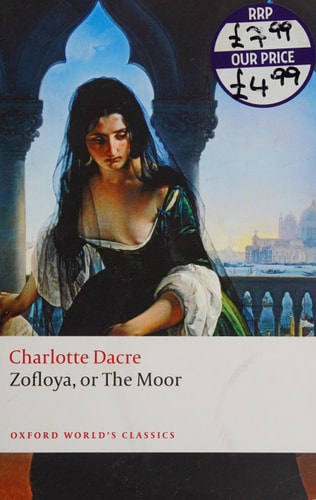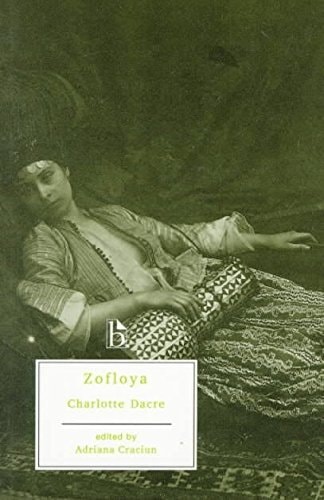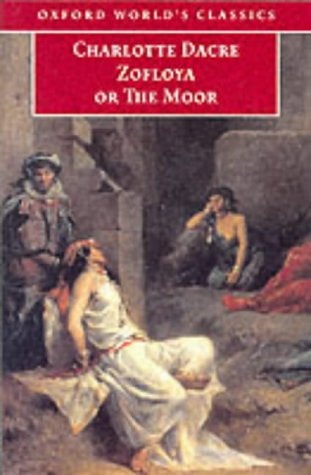
Zofloya: Or the Moor
0
0
As an Amazon Associate and affiliate partner, Menrva Books earns from qualifying purchases. Learn more
Author Description
`Few venture as thou hast in the alarming paths of sin.' This is the final judgement of Satan on Victoria di Loredani, the heroine of Zofloya, or The Moor (1806), a tale of lust, betrayal, and multiple murder set in Venice in the last days of the fifteenth century. The novel follows Victoria's progress from spoilt daughter of indulgent aristocrats, through a period of abuse and captivity, to a career of deepening criminality conducted under Satan's watchful eye. Charlotte Dacre's narrative deftly displays her heroine's movement from the vitalized position of Ann Radcliffe's heroines to a fully conscious commitment to vice that goes beyond that of `Monk' Lewis's deluded Ambrosio. The novel's most daring aspect is its anatomy of Victoria's intense sexual attraction to her Moorish servant Zofloya that transgresses taboos both of class and race. A minor scandal on its first publication, and a significant influence on Byron and Shelley, Zofloya has been unduly neglected. Contradicting idealized stereotypes of women's writing, the novel's portrait of indulged desire, gratuitous cruelty, and monumental self-absorption retains considerable power to disturb. The introduction to this edition, the first for nearly 200 years, examines why Zofloya deserves to be read alongside established Gothic classics as the highly original work of an intriguing and unconventional writer.
Menrva's Summary
THE PULSE
Victoria di Loredani descends into a life of calculated depravity after a series of traumatic events, ultimately forming a dark alliance with the mysterious servant Zofloya. Driven by a volatile mix of ambition and unchecked desire, Victoria navigates the treacherous social landscape of fifteenth-century Venice. She rejects the traditional constraints placed upon women of her era, choosing instead to embrace criminality and moral corruption. The narrative follows her transformation from a victim of circumstance into a primary architect of her own destructive path, all while under the influence of supernatural forces.
INSIDE THE PAGES
- Exploration of moral decay and the rejection of societal norms
- Gothic setting within the atmospheric backdrop of fifteenth-century Venice
- Examination of transgressive desires involving class and race
- Third-person narrative perspective detailing the protagonist's psychological evolution
- Inclusion of supernatural elements and diabolical influence
- Focus on themes of betrayal, lust, and violent retribution
- Contrast between the protagonist and traditional heroines of the period
- Stylistic influence of the late eighteenth and early nineteenth-century Gothic tradition
THE COLLECTIVE ECHO
Discussion often centers on the novel's departure from the typical virtuous heroines found in contemporary Gothic literature. Readers frequently highlight the unapologetic nature of Victoria's descent into vice as a significant point of interest for historical analysis. Critics often note the text's influence on major Romantic figures like Byron and Shelley, emphasizing its role in shaping the darker aspects of the genre. The work is recognized for its ability to challenge idealized stereotypes of women's writing during the early nineteenth century. Many readers find the exploration of taboo subjects and the protagonist's self-absorption to be particularly effective in maintaining a sense of unease throughout the narrative.
Page Count:
306
Publication Date:
1999-12-31
Publisher:
Oxford Univ Pr
ISBN-10:
0192839349
ISBN-13:
9780192839343
Romance
Horror
Historical
classic
Dark Fiction
Gothic