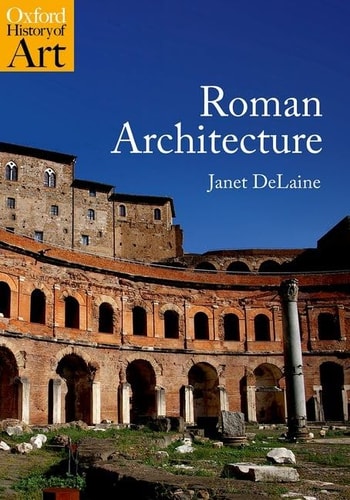
Roman Architecture
0
0
As an Amazon Associate and affiliate partner, Menrva Books earns from qualifying purchases. Learn more
Author Description
Roman Architecture casts new light not only on many familiar monuments of the city of Rome, but also on less well-known examples from across the Roman empire.Rome and its empire were fundamental to the development of western architecture, and its forms and motifs remain significant elements of our own built environments. Roman Architecture places the varied architecture of ancient Rome, from its humble apartment blocks to its grand public structures, within the broader context of Roman society. It takes as its starting point the writings of the Roman architect Vitruvius, as one voice in a broader contemporary debate about the nature and value of architecture. What did the Romans themselves think architecture was for? What was built, by whom and why? How was architecture represented in text and image?The interplay of type and variation that are the hallmark Roman architecture are here traced back to the human actions and choices from which they originated. Janet DeLaine explores how the desires of patrons for novelty and individuality were met by architects and builders working within the practical constraints of available materials and the moral prescriptions of religious and social norms to create new forms.Ranging from early Rome to the late empire, this volume casts new light on many familiar monuments of the city of Rome, but also on less well-known examples from across the empire. Through an examination of the key types of buildings at the heart of Roman society and their decoration, it reveals the symbolic meaning of architecture in terms of competitive power displays and commemoration, and it explores how architecture helped to define being 'Roman' at different times and in different places of the empire.
Menrva's Summary
THE THESIS
This book investigates the fundamental relationship between Roman architectural forms and the social, political, and moral structures of the Roman Empire. Janet DeLaine, a specialist in Roman construction and engineering, utilizes a combination of archaeological evidence, surviving monuments, and the architectural treatises of Vitruvius to construct her argument. She posits that Roman architecture was not merely a static aesthetic achievement but a dynamic response to the competing demands of patrons, social norms, and the practical limitations of ancient building materials.
THE SCOPE MAP
What You Will Find
- Analysis of diverse building types ranging from urban apartment blocks to monumental public structures.
- Examination of the interplay between architectural innovation and the constraints of Roman social and religious prescriptions.
- Discussion of how architecture served as a tool for power displays and the definition of Roman identity across the empire.
Scope Limits
- The text focuses primarily on the Roman world and does not provide a comprehensive survey of post-Roman architectural evolution.
- It does not serve as a technical manual for modern construction methods or architectural drafting.
THE AUTHORITY PERSPECTIVE
Scholars and students frequently identify this work as a balanced, accessible introduction to the complexities of Roman building practices. Experts highlight the author's ability to synthesize archaeological data with contemporary social history to provide a nuanced view of the ancient built environment.
Page Count:
208
Publication Date:
2023-11-30
Publisher:
Oxford University Press
ISBN-10:
0192842129
ISBN-13:
9780192842121
History
Architecture
Ancient History
History - Ancient
Architecture
Art History
Community Tags
Other Editions(2)
Similar Books