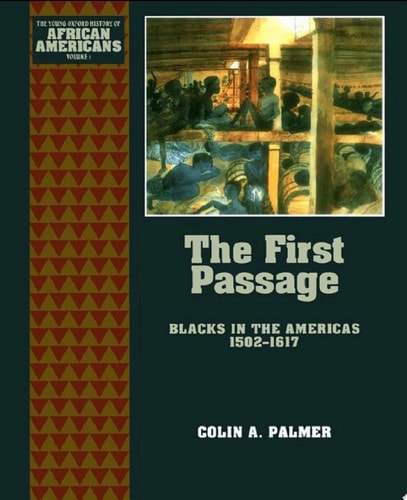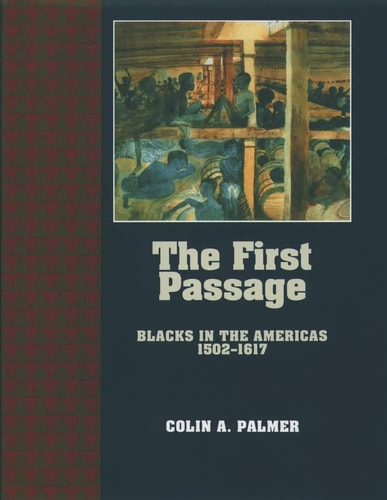
The First Passage: Blacks in the Americas 1502-1617
0
0
As an Amazon Associate and affiliate partner, Menrva Books earns from qualifying purchases. Learn more
Author Description
The history of African Americans begins in Africa, a continent that was home to people with different languages, traditions, histories, and religions. They called themselves Twi, Yoruba, Zulu, Ashanti, and Kumba, among other names. In the early sixteenth century Europeans turned to Africa for the labor force needed to mine, cultivate, and process the bounty of natural resources in the newly colonized Americas. As many as 12 million Africans from varied ethnic backgrounds endured forced migration and enslavement. Out of their suffering was forged a new people--no longer simply Twi, Yoruba, Ashanti, or Kumba. In the Americas, they first became Africans and then African Americans.The First Passage examines the first century of the recorded black presence in the Americas. The ordeal of the Atlantic crossing gave way to the isolation and humiliation of slavery and the loss of friends and family. Some slaves attempted rebellion and escape. Others maintained as many religious and cultural traditions as possible and as the African-American population grew, forged new traditions and new ties of kinship. This history remains at the core of black life in the Americas. Colin Palmer tells a story of extraordinary suffering. But The First Passage is also a timeless lesson in endurance and survival.
Menrva's Summary
THE THESIS
This work investigates the origins and early experiences of the African diaspora in the Americas during the first century of the transatlantic slave trade. Colin A. Palmer, a distinguished historian of the African diaspora, utilizes primary historical records and demographic data to reconstruct the lives of the first enslaved Africans in the New World. He argues that the forced migration and subsequent enslavement of millions necessitated a transformation of identity, as diverse ethnic groups were compelled to forge a unified African American culture through shared suffering and resistance. The text provides a foundational framework for understanding the structural and social conditions that defined the early colonial period.
THE SCOPE MAP
What You Will Find
- Historical analysis of the forced migration of Africans to the Americas between 1502 and 1617.
- Examination of the transition from diverse ethnic identities to a collective African American identity.
- Documentation of slave resistance, rebellion, and the preservation of cultural traditions under colonial rule.
- Synthesis of the social, economic, and psychological impacts of the Atlantic crossing and early plantation life.
THE AUTHORITY PERSPECTIVE
Experts recognize this volume as a foundational text for students and researchers interested in the early history of the African diaspora. Readers frequently note the clarity of the prose and the author's ability to synthesize complex historical data into an accessible narrative.
Page Count:
128
Publication Date:
1995-04-27
Publisher:
Oxford University Press
ISBN-10:
0195086996
ISBN-13:
9780195086997
History
Slavery
Blacks history
Colonial History
Slave Trade
Social History
United States
Blacks america