Democracy and the New Religious Pluralism
0
0
As an Amazon Associate and affiliate partner, Menrva Books earns from qualifying purchases. Learn more
Author Description
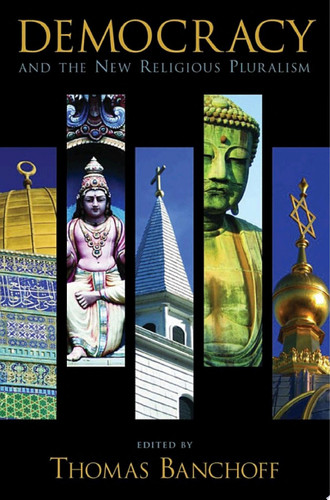
Religious pluralism is everywhere in today's politics. Increased immigration flows, the collapse of communism, and the globalization of communications technologies have all fostered a wider variety of religious beliefs, practices, and organizations within and across democratic societies. This is true in both the United States and Europe, where growing and diverse minority communities are transforming the political landscape. As a result, controversies over such things as headscarves and depictions of Mohammed are unsettling a largely secular Europe, while a Christian majority in the US faces familiar questions about church-state relations amidst unprecedented religious diversity. Far from receding into the background, religious language pervades arguments around established issues such as abortion and capital punishment, and new ones such as stem cell research and same-sex marriage. In Democracy and the New Religious Pluralism, leading scholars from multiple disciplines explore these dynamics and their implications for democratic theory and practice. What are the contours of this new religious pluralism? What are its implications for the theory and practice of democracy? Does increasing religious pluralism erode the cultural and social foundations of democracy? To what extent do different religious communities embrace similar -- or at least compatible -- ethical and political commitments? By seeking answers to these questions and revealing religious pluralism as both a source of animosity and a potent force for peaceful engagement, this book offers a revealing look at the future of religion in democratic societies.
Menrva's Summary
THE THESIS
This book investigates how the rise of religious pluralism in democratic societies challenges traditional political frameworks and influences contemporary public policy. Thomas Banchoff, a scholar in the field of religion and politics, assembles a collection of expert contributors to analyze the intersection of faith and governance. The text examines how immigration, globalization, and shifting social norms have forced democratic states to reconcile secular traditions with an increasingly diverse religious landscape. The authors argue that religious pluralism acts as both a catalyst for social friction and a potential mechanism for civic engagement.
THE SCOPE MAP
What You Will Find
- Comparative analysis of religious dynamics in the United States and Europe.
- Examination of policy debates including stem cell research, same-sex marriage, and church-state relations.
- Multi-disciplinary perspectives from political scientists, sociologists, and theologians.
- Theoretical frameworks for assessing the compatibility of diverse religious commitments with democratic values.
THE AUTHORITY PERSPECTIVE
Experts recognize this volume as a comprehensive resource for understanding the modern intersection of faith and public policy. Readers frequently note the academic rigor of the essays, which provide a balanced view of the tensions between secular democratic institutions and religious expression.
Page Count:
334
Publication Date:
2007-06-07
Publisher:
Oxford University Press
ISBN-10:
0195307291
ISBN-13:
9780195307290
Religion
Globalization
Sociology
Ethics
Religious Aspects
Democracy
Community Tags
Other Editions(2)
Similar Books