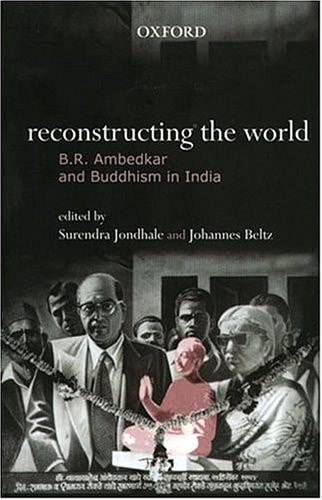
Reconstructing the World: B. R. Ambedkar and Buddhism in India
0
0
As an Amazon Associate and affiliate partner, Menrva Books earns from qualifying purchases. Learn more
Author Description
This book throws light on the very contentious issues related to the social phenomenon of new Buddhism with which Dr Ambedkar is associated. With contributions by scholars such as Eleanor Zelliot and Gail Omvedt, this volume can very well be seen as a comprehensive social history of Ambedkar s Buddhism.
Menrva's Summary
THE THESIS
This volume investigates the socio-political significance of the Neo-Buddhist movement in India initiated by B. R. Ambedkar. The editors, Johannes Beltz and Surendra Jondhale, curate a collection of essays from prominent scholars to examine how Ambedkar utilized Buddhism as a framework for social reform and the dismantling of caste-based hierarchies. By analyzing the historical context and the practical application of these religious shifts, the text argues that Ambedkar's conversion was a calculated political and social strategy rather than a purely theological transition.
THE SCOPE MAP
What You Will Find
- Historical analysis of the Dalit Buddhist movement in 20th-century India
- Examination of the intersection between political activism and religious conversion
- Scholarly contributions from experts including Eleanor Zelliot and Gail Omvedt
- Case studies on the social impact of Ambedkar's ideology on contemporary Indian society
THE AUTHORITY PERSPECTIVE
Experts recognize this volume as a foundational academic resource for understanding the modern history of Buddhism in India. Readers frequently note the scholarly density of the prose and the rigorous historical approach taken by the contributors.
Page Count:
324
Publication Date:
2004-02-12
Publisher:
Oxford University Press
ISBN-10:
0195665295
ISBN-13:
9780195665291
Biography
History
Religion
Buddhism india
Buddhism
Sociology
India
Community Tags
Similar Books