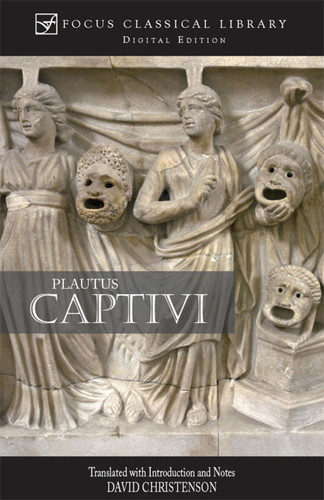
Captivi
0
0
As an Amazon Associate and affiliate partner, Menrva Books earns from qualifying purchases. Learn more
Author Description
This is a pre-1923 historical reproduction that was curated for quality. Quality assurance was conducted on each of these books in an attempt to remove books with imperfections introduced by the digitization process. Though we have made best efforts - the books may have occasional errors that do not impede the reading experience. We believe this work is culturally important and have elected to bring the book back into print as part of our continuing commitment to the preservation of printed works worldwide. This text refers to the Bibliobazaar edition.
Menrva's Summary
THE PULSE
A father unknowingly purchases his own kidnapped son as a slave, setting the stage for a complex web of mistaken identities and moral dilemmas. Hegio, an elderly man, seeks to ransom his son who was captured in war, but his plan to swap prisoners leads to a series of complications involving his other son, who was stolen as a child and sold into slavery. The play operates within the rigid constraints of Roman New Comedy, utilizing a structured plot that emphasizes irony and the eventual restoration of familial order. The narrative unfolds through dialogue-heavy scenes that highlight the social hierarchies and domestic tensions of the era.
INSIDE THE PAGES
- Exploration of the theme of paternal devotion and loss
- Utilization of the 'lost child' trope common in Roman comedy
- Sharp contrast between the characters' social status and their true identities
- Focus on the ethical implications of slavery and captivity
- Use of witty dialogue and situational irony to drive the plot
- Structural reliance on the conventions of the Roman stage
- Development of the clever slave archetype as a catalyst for action
- Resolution centered on the recognition of long-lost family members
THE COLLECTIVE ECHO
Discussion often centers on the unique tone of this play, which is frequently noted for its relative lack of the bawdy humor found in other works by Plautus. Readers highlight the play's focus on sentimentality and moral integrity, which distinguishes it from the more farcical comedies of the period. Critics frequently analyze the intricate plot mechanics that allow for the eventual reunion of the family. The work is often studied for its departure from standard comedic tropes, providing a more serious look at the consequences of war and displacement. Scholars appreciate the play for its structural precision and its enduring influence on the development of Western theatrical comedy.
Page Count:
120
Publication Date:
1991-02-01
Publisher:
Oxford University Press
ISBN-10:
0198317506
ISBN-13:
9780198317500
Drama
Theater
Roman
Comedy
Classical