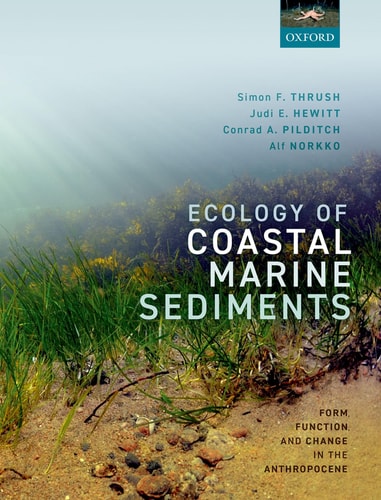
Ecology of Coastal Marine Sediments: Form, Function, and Change in the Anthropocene
0
0
As an Amazon Associate and affiliate partner, Menrva Books earns from qualifying purchases. Learn more
Author Description
Marine sediments dominate the global seabed, creating the largest ecosystem on earth. Seafloor biodiversity is a key mediator of ecosystem functioning, yet critical processes are often excluded from global biogeochemical budgets or simplified to black boxes in ecosystem models.This accessible textbook provides an ideal point of entry into the field, providing basic information on the nature of soft-sediment ecosystems, examples of how and why we research them, the new questions these studies inspire, and the applications that ultimately benefit society. While focussing on coastal habitats (200m depth) to emphasize process-based experimental studies, it is relevant to the full range of marine sedimentary habitats. The authors describe the interactions between marine organisms and their physical and chemical environment, demonstrating the need for carefully designed research programs and providing the basic steps required to formulate sound ecological questions before applying them to empirical studies of real-world ecosystems. The book reveals the connections between different system components and drivers of change, examining how we can develop knowledge on the biodiversity and functioning of soft sediments and apply it to a better understanding of ecosystem change, human impacts, and effective restoration.Ecology of Coastal Marine Sediments is intended for advanced undergraduate and graduate students who have completed a general ecology course but received no further training in marine science. It will also be useful to both professional researchers and resource managers in marine ecology and environmental science who seek a compact and authoritative introduction to sediment ecology.
Menrva's Summary
THE THESIS
This text investigates how seafloor biodiversity functions as a critical mediator of global ecosystem processes within coastal marine sediments. The author, Thrush, synthesizes current ecological research to address the historical exclusion of sediment-based processes from global biogeochemical models. By establishing a framework for understanding the interactions between organisms and their physical environments, the book provides a methodology for evaluating human impacts and restoration strategies in the Anthropocene.
THE SCOPE MAP
What You Will Find
- Analysis of soft-sediment ecosystem dynamics within coastal habitats up to 200 meters in depth.
- Methodologies for designing experimental research programs and formulating ecological questions.
- Examination of the connections between biodiversity, system components, and environmental drivers of change.
- Applications for resource management and the restoration of marine sedimentary habitats.
THE AUTHORITY PERSPECTIVE
Experts identify this work as a foundational text for advanced students and professionals seeking a concise introduction to sediment ecology. Readers frequently note the clarity of the prose, which effectively bridges the gap between general ecological theory and specialized marine science applications.
Page Count:
200
Publication Date:
2021-04-12
Publisher:
Oxford
ISBN-10:
0198804776
ISBN-13:
9780198804772
Science
Oceanography
Ecology
Marine Biology
Community Tags
Similar Books