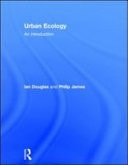
Urban Ecology: An Introduction
0
0
As an Amazon Associate and affiliate partner, Menrva Books earns from qualifying purchases. Learn more
Author Description
Urban Ecology: An Introduction Seeks To Open The Reader's Mind And Eyes To The Way In Which Nature Permeates Everyday Urban Living, And How It Has To Be Understood, Cared For, And Managed To Make Our Towns And Cities Healthier Places In Which To Live And More Resilient To Environmental And Other Changes. The Authors Examine How Contact With Nature Can Improve Our Health, The Air We Breathe, The Waters We Use And Our Enjoyment Of Parks And Gardens. The Texts Sets Out The Science That Underlies The Changing Natural Scene And The Management Tools Used To Ensure That Cities Become Both Capable Of Adapting To Climate Change And More Beautiful And More Resilient Places In Which To Live. The Work Begins With A Discussion Of The Nature Of Urban Places And The Role Of Nature In Towns And Cities. In Part 1 The Authors Consider The Context And Content Of Urban Ecology, Its Relationship To Other Foci Of Interest Within Ecology And Other Environmental Sciences, And The Character Of City Landscapes And Ecosystems. In Part 2 The Authors Set Out The Physical And Chemical Components Of Urban Ecosystems And Ecological Processes, Including Urban Weather And Climate, Urban Geomorphology And Soils-- Preface -- Introduction: The Nature Of Urban Places And Nature In Urban Places -- Part One: The Context Of Urban Ecology (1. Cities And Ecology; 2. Cityscapes: Places For Nature; 3. Cities As Systems) -- Part Two: The Physical Environmental Factors Affecting Life In Towns And Cities (4. The Urban Atmosphere: Weather, Climate And Air Quality; 5. Urban Geomorphology And Urban Soils: Knowing The Ground You Build On And Which You Cultivate; 6. Urban Hydrology; 7. Urban Biogeochemistry) Part Three: Urban Habitats, Plants And Animals: Species Diversity In Urban Environments (8. Urban Habitats; 9. Urban Flora; 10. Urban Fauna) -- Part Four: Values And Uses Of Urban Ecosystem Services (11. Urban Ecosystem Services And The Asessment Of Their Values; 12. Contact With Nature: Human Health And Well-bein
Menrva's Summary
THE THESIS
This text investigates how urban environments function as complex ecosystems and how integrating nature into city planning can improve human health and environmental resilience. The authors, Ian Henderson Douglas and Philip James, utilize a multidisciplinary approach to synthesize data from environmental science, geomorphology, and urban planning. They argue that understanding the physical and chemical components of cities is a prerequisite for effective management and adaptation to climate change.
THE SCOPE MAP
What You Will Find
- Analysis of urban weather, climate, and air quality patterns.
- Examination of urban geomorphology and the composition of city soils.
- Evaluation of urban ecosystem services and their economic and social values.
- Discussion of biodiversity, including urban flora and fauna species diversity.
- Methodologies for assessing the impact of nature on human health and well-being.
THE AUTHORITY PERSPECTIVE
Experts recognize this work as a comprehensive introductory text for students and professionals in urban planning and environmental science. Readers frequently note the structured, academic density of the prose, which provides a solid foundation for understanding the intersection of natural systems and human-built environments.
Page Count:
476
Publication Date:
2014-01-01
Publisher:
Taylor & Francis Group
ISBN-10:
0203108701
ISBN-13:
9780203108703
Science
Nature
urban planning
Ecology
Community Tags
Similar Books