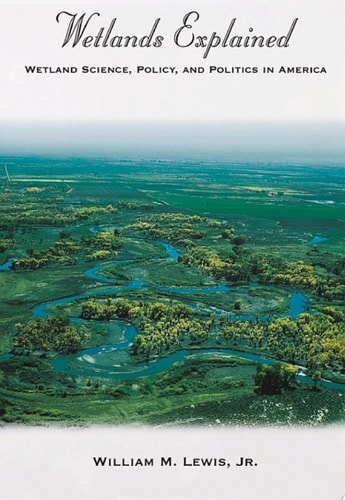
Wetlands Explained: Wetland Science, Policy, and Politics in America
0
0
As an Amazon Associate and affiliate partner, Menrva Books earns from qualifying purchases. Learn more
Author Description
This book brings together in compact form a broad scientific and sociopolitical view of US wetlands. This primer lays out the science and policy considerations to help in navigating this branch of science that is so central to conservation policy, ecosystem science and wetland regulation. It gives explanations of the attributes, functions and values of our wetlands and shows how and why public attitudes toward wetlands have changed, and the political, legal, and social conflicts that have developed from legislation intended to stem the rapid losses of wetlands. The book describes the role of wetland science in facilitating the evolution of a rational and defensible system for regulating wetlands and will shed light on many of the problems and possibilities facing those who quest to protect and conserve our wetlands.
Menrva's Summary
THE THESIS
This book investigates the intersection of wetland ecology, federal regulatory frameworks, and the sociopolitical conflicts that define American conservation efforts. William M. Lewis Jr. synthesizes complex scientific data with historical legislative developments to explain how wetland regulation has evolved. The text provides a framework for understanding the tension between ecological preservation and land-use policy in the United States.
THE SCOPE MAP
What You Will Find
- Analysis of wetland attributes, functions, and ecosystem values
- Historical overview of American wetland legislation and policy shifts
- Examination of the political and legal conflicts surrounding conservation
- Discussion of the role of scientific data in regulatory decision-making
Scope Limits
- Does not provide a comprehensive field guide for wetland identification
- Focuses primarily on the United States rather than global wetland systems
THE AUTHORITY PERSPECTIVE
Experts identify this work as a foundational primer for those navigating the intersection of environmental science and public policy. Readers frequently note the clarity with which the author bridges the gap between technical ecological concepts and the complexities of legal regulation.
Page Count:
155
Publication Date:
2001-01-01
Publisher:
Oxford University Press
ISBN-10:
0190285095
ISBN-13:
9780190285098
Science
Nature
Earth Sciences
Public Policy
Earth Science
Ecology
Conservation
Wetlands
Community Tags
Other Editions(2)
Similar Books