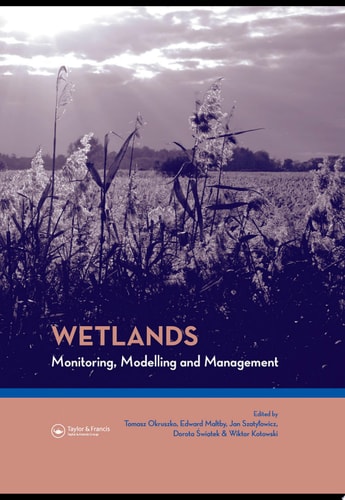
Wetlands: Monitoring, Modelling and Management
0
0
As an Amazon Associate and affiliate partner, Menrva Books earns from qualifying purchases. Learn more
Author Description
Wetlands Are Complex And Dynamic Ecological Systems Incorporating Two Important, Inter-linked Components: Hydrology And Vegetation. Modelling Wetland Components And Processes Reveals The Nature Of Wetland Systems And Helps To Predict The Effects Of Environmental Change. The Main Goal Of Much Current Research Is The Construction Of A Vigorous And Spatially-explicit Model Which Describes The Dynamics Of Wetland Vegetation In Relation To Environmental Variables, Including Hydrological Regimes, Sediment Type And Nutrient Availability. Knowledge About Ecological Functions, Environmental Services And Societal Values Associated With Wetlands Has Increased Rapidly. How To Turn This Knowledge Into Practical Benefits For Sustainable And Integrated Wetland Management Is A Key Question. Individual Chapters Address The Ethics And Sociology Of Wetlands, And The Ecology, Ecohydrology And Conservation Practice Of A Variety Of Landscapes And Countries. It Will Be Useful To Students, Teachers And Scientists Involved In Wetland Research And Informative For The Staff Of Governmental Bodies And Other Organizations Engaged In Wetland Management.
Menrva's Summary
THE THESIS
This volume investigates the integration of hydrological and botanical data to improve the monitoring, modeling, and sustainable management of complex wetland ecosystems. The editors, a group of international experts in ecohydrology and environmental management, compile research presented at the W3M conference to bridge the gap between theoretical ecological modeling and practical conservation policy. The text argues that understanding the interplay between vegetation dynamics and environmental variables is essential for predicting the impacts of climate and land-use change on global wetland health.
THE SCOPE MAP
What You Will Find
- Spatially-explicit modeling techniques for wetland vegetation dynamics.
- Analysis of hydrological regimes, sediment types, and nutrient availability as primary environmental drivers.
- Case studies covering diverse international landscapes and conservation practices.
- Discussions on the ethics, sociology, and societal value of wetland ecosystems.
THE AUTHORITY PERSPECTIVE
Experts identify this collection as a technical resource for researchers and practitioners focused on the intersection of hydrology and ecology. Readers frequently note the academic density of the prose, which serves as a foundational reference for those involved in governmental wetland management and environmental policy.
Page Count:
362
Publication Date:
2008-01-01
Publisher:
Taylor & Francis Group
ISBN-10:
0203932196
ISBN-13:
9780203932193
Science
Nature
Wetlands
Hydrology
Conservation
Ecology
Community Tags
Similar Books