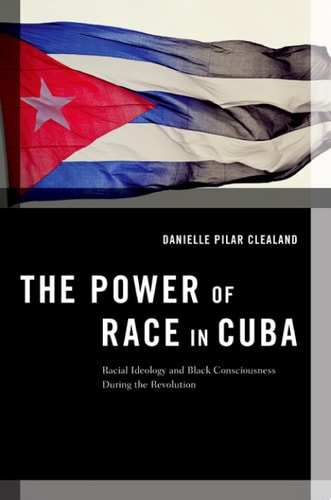
The Power of Race in Cuba: Racial Ideology and Black Consciousness During the Revolution
0
0
As an Amazon Associate and affiliate partner, Menrva Books earns from qualifying purchases. Learn more
Author Description
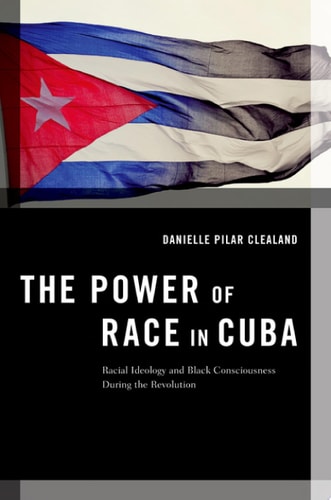
In The Power of Race in Cuba, Danielle Pilar Clealand analyzes racial ideologies that negate the existence of racism and their effect on racial progress and activism through the lens of Cuba. Since 1959, Fidel Castro and the Cuban government have married socialism and the ideal of racial harmony to create a formidable ideology that is an integral part of Cubans' sense of identity and their perceptions of race and racism in their country. While the combination of socialism and a colorblind racial ideology is particular to Cuba, strategies that paint a picture of equality of opportunity and deflect the importance of race are not particular to the island's ideology and can be found throughout the world, and in the Americas, in particular.By promoting an anti-discrimination ethos, diminishing class differences at the onset of the revolution, and declaring the end of racism, Castro was able to unite belief in the revolution to belief in the erasure of racism. The ideology is bolstered by rhetoric that discourages racial affirmation. The second part of the book examines public opinion on race in Cuba, particularly among black Cubans. It examines how black Cubans have indeed embraced the dominant nationalist ideology that eschews racial affirmation, but also continue to create spaces for black consciousness that challenge this ideology. The Power of Race in Cuba gives a nuanced portrait of black identity in Cuba and through survey data, interviews with formal organizers, hip hop artists, draws from the many black spaces, both formal and informal to highlight what black consciousness looks like in Cuba.
Menrva's Summary
THE THESIS
This book investigates how the Cuban government's official ideology of racial harmony and colorblindness interacts with the lived experiences and political consciousness of black Cubans. Danielle Pilar Clealand, a scholar of political science, utilizes a combination of qualitative interviews, survey data, and cultural analysis to examine the disconnect between state-mandated racial equality and the persistent realities of racial identity. She argues that while the revolution successfully integrated anti-discrimination rhetoric into national identity, this framework often suppresses necessary discussions regarding racial inequality and black activism.
THE SCOPE MAP
What You Will Find
- Analysis of post-1959 Cuban racial ideology and the intersection of socialism and colorblindness.
- Examination of public opinion data regarding race among the Cuban population.
- Qualitative insights from interviews with formal organizers and hip hop artists.
- Exploration of informal spaces where black consciousness is cultivated.
Scope Limits
- The study focuses primarily on the period following the 1959 revolution and does not provide an exhaustive history of pre-revolutionary racial dynamics.
- The analysis is centered on the specific intersection of Cuban socialism and race, rather than a comparative study of all Caribbean racial policies.
THE AUTHORITY PERSPECTIVE
Scholars and readers frequently note the academic rigor and depth of the author's sociological approach to a complex political landscape. Experts highlight this work as a significant contribution to understanding how nationalist ideologies can shape and constrain racial identity in contemporary societies.
Page Count:
272
Publication Date:
2017-01-01
Publisher:
Oxford University Press
ISBN-10:
0190632291
ISBN-13:
9780190632298
American Studies
Cuba
Socialism
Politics & Government
Sociology
Cuba history
Race Relations
Blacks_cuba
Community Tags
Similar Books