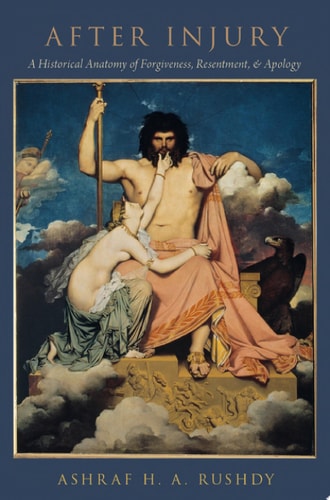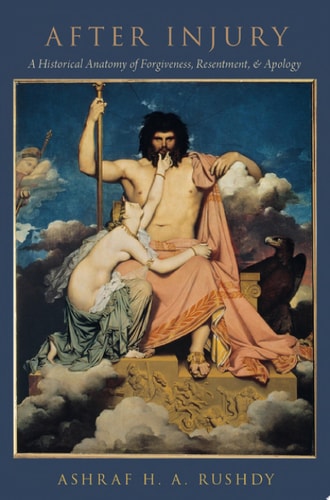
After Injury
0
0
As an Amazon Associate and affiliate partner, Menrva Books earns from qualifying purchases. Learn more
Author Description
After Injury Explores The Practices Of Forgiveness, Resentment, And Apology In Three Key Moments When They Were Undergoing A Dramatic Change. The Three Moments Are Early Christian History (for Forgiveness), The Shift From British Eighteenth-century To Continental Nineteenth-century Philosophers (for Resentment), And The Moment In The 1950s Postwar World In Which British Ordinary Language Philosophers And American Sociologists Of Everyday Life Theorized What It Means To Express Or Perform An Apology. The Debates That Arose In Those Key Moments Have Largely Defined Our Contemporary Study Of These Practices.
Menrva's Summary
THE THESIS
This book investigates how the conceptual frameworks of forgiveness, resentment, and apology evolved through three distinct historical and philosophical turning points. Ashraf H. A. Rushdy, a scholar of critical theory and history, examines the intellectual shifts that transformed these practices from ancient religious contexts to modern sociological performance. By analyzing the transition from early Christian doctrine to Enlightenment philosophy and finally to mid-twentieth-century linguistic analysis, the author argues that these historical debates continue to dictate the parameters of contemporary moral discourse.
THE SCOPE MAP
What You Will Find
- Analysis of early Christian theological perspectives on forgiveness
- Comparative study of British eighteenth-century and Continental nineteenth-century philosophical views on resentment
- Examination of 1950s British ordinary language philosophy and American sociology regarding the performance of apology
Scope Limits
- The text does not provide a comprehensive history of these concepts across all global cultures or time periods
- The analysis is restricted to specific Western philosophical and sociological traditions rather than a general psychological overview
THE AUTHORITY PERSPECTIVE
Scholars in the fields of ethics and intellectual history identify this work as a rigorous examination of how moral concepts are socially constructed over time. Readers frequently note the academic density of the prose, which requires a foundational understanding of philosophical discourse to fully grasp the author's arguments.
Page Count:
288
Publication Date:
2018-01-01
Publisher:
Oxford University Press
ISBN-10:
0190851988
ISBN-13:
9780190851989
Philosophy
History
Sociology
Ethics
Social Theory
Christian History
Community Tags
Similar Books