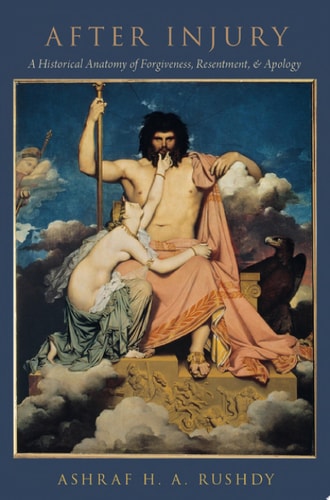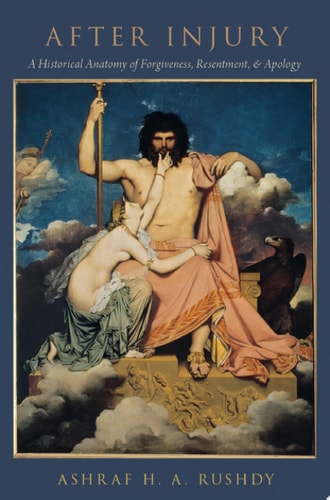
After Injury: A Historical Anatomy of Forgiveness, Resentment, and Apology
0
0
As an Amazon Associate and affiliate partner, Menrva Books earns from qualifying purchases. Learn more
Author Description
After Injury explores the practices of forgiveness, resentment, and apology in three key moments when they were undergoing a dramatic change. The three moments are early Christian history (for forgiveness), the shift from British eighteenth-century to Continental nineteenth-century philosophers (for resentment), and the moment in the 1950s postwar world in which British ordinary language philosophers and American sociologists of everyday life theorized what it means to express or perform an apology. The debates that arose in those key moments have largely defined our contemporary study of these practices.
Menrva's Summary
THE THESIS
This book investigates the historical evolution and conceptual transformation of forgiveness, resentment, and apology as social and ethical practices. Ashraf H. A. Rushdy, a scholar of cultural and historical studies, examines how these concepts shifted during three distinct eras. By analyzing primary texts from early Christianity, Enlightenment and post-Enlightenment philosophy, and mid-twentieth-century social theory, the author argues that these historical debates established the frameworks currently used to understand interpersonal and societal reconciliation.
THE SCOPE MAP
What You Will Find
- Analysis of early Christian theological developments regarding forgiveness.
- Comparative study of British eighteenth-century and Continental nineteenth-century philosophical views on resentment.
- Examination of 1950s British ordinary language philosophy and American sociology concerning the performance of apologies.
Scope Limits
- The text does not provide a comprehensive psychological manual for personal forgiveness.
- It does not cover non-Western cultural traditions of apology or resentment.
THE AUTHORITY PERSPECTIVE
Scholars and readers often note the academic density of the prose and the rigorous historical methodology employed by the author. Experts highlight this as a foundational text for those interested in the genealogy of modern ethical discourse and social interaction.
Page Count:
300
Publication Date:
2018-01-01
Publisher:
Oxford University Press
ISBN-10:
0190851996
ISBN-13:
9780190851996
History
Philosophy
Sociology
Forgiveness
History & Surveys
Ethics
Christian History
Social Theory
Community Tags
Similar Books