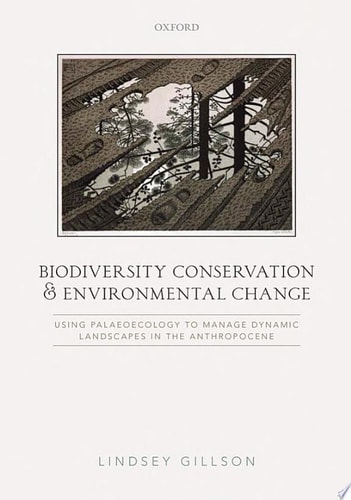
Biodiversity Conservation and Environmental Change
0
0
As an Amazon Associate and affiliate partner, Menrva Books earns from qualifying purchases. Learn more
Author Description
Ecosystems Today Are Dynamic And Complex, Leaving Conservationists Faced With The Paradox Of Conserving Moving Targets. New Approaches To Conservation Are Now Required That Aim To Conserve Ecological Function And Process, Rather Than Attempt To Protect Static Snapshots Of Biodiversity. To Do This Effectively, Long-term Information On Ecosystem Variability And Resilience Is Needed. While There Is A Wealth Of Such Information In Palaeoecology, Archaeology, And Historical Ecology, It Remains An Underused Resource By Conservation Ecologists. In Bringing Together The Disciplines Of Neo- And Palaeoecology And Integrating Them With Conservation Biology, This Novel Text Illustrates How An Understanding Of Long-term Change In Ecosystems Can In Turn Inform And Influence Their Conservation And Management In The Anthropocene. By Looking At The History Of Traditional Management, Climate Change, Disturbance, And Land-use, The Book Describes How A Long-term Perspective On Landscape Change Can Inform Current And Pressing Conservation Questions Such As Whether Elephants Should Be Culled, How Best To Manage Fire, And Whether Ecosystems Can Or Should Be Re-wilded Biodiversity Conservation And Environmental Change Is Suitable For Senior Undergraduate And Post-graduate Students In Conservation Ecology, Palaeoecology, Biodiversity Conservation, Landscape Ecology, Environmental Change And Natural Resource Management. It Will Also Be Of Relevance And Use To A Global Market Of Conservation Practitioners, Researchers, Educators And Policy-makers.
Menrva's Summary
THE THESIS
This text investigates how integrating long-term ecological data from palaeoecology and historical ecology can inform modern conservation strategies in the face of rapid environmental change. Lindsey Gillson, an expert in palaeoecology and conservation, argues that traditional static conservation models are insufficient for the dynamic nature of the Anthropocene. By synthesizing historical ecosystem variability with contemporary conservation biology, the author provides a framework for managing ecological resilience and function rather than preserving static snapshots of biodiversity.
THE SCOPE MAP
What You Will Find
- Analysis of ecosystem variability and resilience over long-term timescales
- Integration of neo-ecology, palaeoecology, and historical ecology methodologies
- Case studies on fire management, land-use history, and re-wilding initiatives
Scope Limits
- The text focuses primarily on ecological and historical frameworks rather than specific legislative or political policy implementation
- It does not provide a comprehensive guide to all global biomes, focusing instead on generalizable principles of landscape change
THE AUTHORITY PERSPECTIVE
Experts identify this work as a bridge between historical data sets and current conservation practice, noting its utility for academic researchers and land managers alike. Readers frequently highlight the text's academic density and its success in advocating for a more dynamic, process-oriented approach to environmental stewardship.
Page Count:
272
Publication Date:
2015-01-01
Publisher:
Oup Oxford
ISBN-10:
0191022098
ISBN-13:
9780191022098
Science
Palaeoecology
Ecology
Conservation Biology
Community Tags
Similar Books