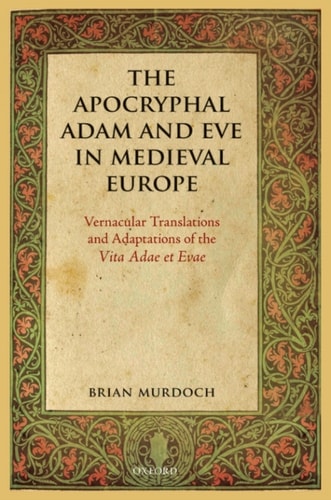
The Apocryphal Adam and Eve in Medieval Europe: Vernacular Translations and Adaptations of the Vita Adae et Evae
0
0
As an Amazon Associate and affiliate partner, Menrva Books earns from qualifying purchases. Learn more
Author Description
What happened to Adam and Eve after their expulsion from paradise? Where the biblical narrative fell silent apocryphal writings took up this intriguing question, notably including the Early Christian Latin text, the Life of Adam and Eve. This account describes the (failed) attempt of the couple to return to paradise by fasting whilst immersed in a river, and explores how they coped with new experiences such as childbirth and death. Brian Murdoch guides the reader through the many variant versions of the Life, demonstrating how it was also adapted into most western and some eastern European languages in the Middle Ages and beyond, constantly developing and changing along the way. The study considers this development of the apocryphal texts whilst presenting a fascinating insight into the flourishing medieval tradition of Adam and Eve. A tradition that the Reformation would largely curtail, stories from the Life were celebrated in European prose, verse and drama in many different languages from Irish to Russian.
Menrva's Summary
THE THESIS
*This study investigates the transmission, translation, and cultural adaptation of the apocryphal Vita Adae et Evae throughout medieval Europe.* Brian Murdoch, a scholar of medieval literature, examines how this non-canonical narrative filled the silence of the biblical account regarding the post-expulsion lives of Adam and Eve. By analyzing a wide array of vernacular versions, the author argues that these texts functioned as a dynamic, evolving tradition that shaped medieval perceptions of human suffering, mortality, and the quest for redemption.
THE SCOPE MAP
What You Will Find
- Comparative analysis of Latin source texts and their vernacular derivatives.
- Examination of the narrative's evolution across diverse European linguistic traditions, including Irish and Russian.
- Discussion of the text's manifestation in prose, verse, and dramatic forms.
Scope Limits
- The study focuses primarily on the medieval period and does not provide an exhaustive analysis of post-Reformation reception.
- The work does not attempt to reconstruct a single 'original' version of the Vita but rather focuses on the plurality of the tradition.
THE AUTHORITY PERSPECTIVE
Scholars recognize this work as a comprehensive survey of the Vita Adae et Evae tradition, noting its value in connecting apocryphal studies with vernacular literary history. Experts frequently highlight the book's utility for understanding how religious narratives were adapted to suit regional cultural contexts during the Middle Ages.
Page Count:
308
Publication Date:
2009-01-01
Publisher:
OUP Oxford
ISBN-10:
0191569801
ISBN-13:
9780191569807
History
Religion
Criticism history
European History
Apocrypha
Literary Criticism
Community Tags
Similar Books