Rome
0
0
As an Amazon Associate and affiliate partner, Menrva Books earns from qualifying purchases. Learn more
Author Description
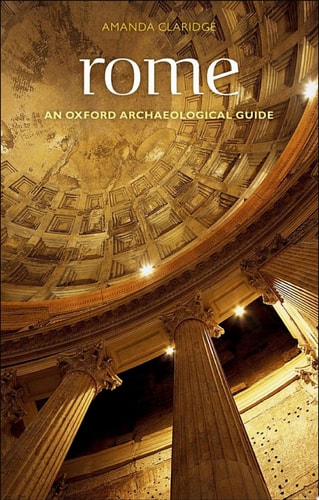
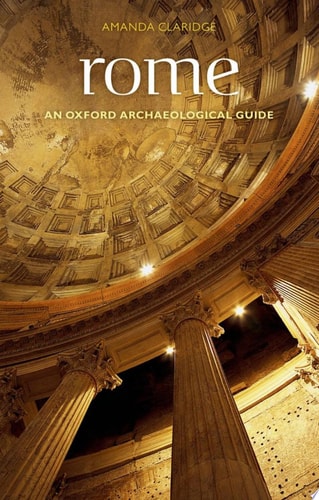
The City Of Rome Is The Largest Archaeological Site In The World, Capital And Showcase Of The Roman Empire And The Centre Of Christian Europe. This Guide Provides: · Coverage Of All The Important Sites In The City From 800 Bc To Ad 600 And The Start Of The Early Middle Ages, Drawing On The Latest Discoveries And The Best Of Recent Scholarship · Over 220 High-quality Maps, Site Plans, Diagrams And Photographs · Sites Divided Into Fourteen Main Areas, With Star Ratings To Help You Plan And Prioritize Your Visit: Roman Forum; Upper Via Sacra; Palatine; Imperial Forums; Campus Martius; Capitoline Hill; Circus Flaminius To Circus Maximus; Colosseum And Esquiline Hill; Caelian Hill And The Inner Via Appia; Lateran To Porta Maggiore; Viminal Hill; Pyramid To Testaccio; The Outer Via Appia; Other Outlying Sites; Museums And Catacombs. · Introduction Offering Essential Background To The History And Culture Of Ancient Rome, Placing The City In The Context Of The Development Of The Empire, Highlighting The Nature Of Roman Achievement, And Explaining How Rome Came To Be The Largest City In The Ancient World. · Comprehensive Glossaries Of Rome's Building Materials, Techniques And Building Types, A Chronological Table Of Kings, Emperors, And The Early Popes, Information About Opening Times, References And Suggestions For Further Reading And A Detailed User-friendly Index. For This New Edition The Original Text Has Been Extensively Revised, Adding Over 20 More Sites And Illustrations, The Itineraries Have Been Re-organized And Expanded To Suit The Many Changes That Have Taken Place In The Past Decade, And The Practical Information And References Have Been Fully Updated.
Menrva's Summary
THE THESIS
This guide investigates the architectural and historical evolution of Rome from 800 BC to AD 600, serving as a comprehensive resource for understanding the city as both an imperial capital and a center of early Christianity. Amanda Claridge, a recognized scholar in Roman archaeology, synthesizes decades of excavation data and historical research to provide a structured framework for navigating the city's complex physical remains. The text argues that Rome's significance is best understood through its layered development, utilizing site-specific analysis to illustrate the broader trajectory of the Roman Empire.
THE SCOPE MAP
What You Will Find
- Detailed coverage of archaeological sites spanning from the Iron Age to the early Middle Ages
- Fourteen distinct geographical zones with prioritized site ratings
- Extensive technical glossaries regarding Roman building materials and construction techniques
- Chronological tables of political and religious leadership
Scope Limits
- The text focuses primarily on physical sites and archaeological remains rather than narrative political history
- Coverage concludes at the early Middle Ages, excluding later Renaissance or Baroque developments
THE AUTHORITY PERSPECTIVE
Experts and academics frequently cite this work as a foundational, high-density resource for both students and serious travelers. Readers note the technical precision of the site plans and the scholarly rigor applied to the descriptions of Roman construction methods.
Page Count:
0
Publication Date:
2010-01-01
Publisher:
Oxford University Press
ISBN-10:
019157290X
ISBN-13:
9780191572906
Travel
History
Reference
Guidebook
Archaeology
Ancient - Rome