
Aesop's Fables
0
0
As an Amazon Associate and affiliate partner, Menrva Books earns from qualifying purchases. Learn more
Author Description
'The story goes that a sow who had delivered a whole litter of piglets loudly accosted a lioness. "How many children do you breed?" asked the sow. "I breed only one", said the lioness, "but it is very well bred!"' The fables of Aesop have become one of the most enduring traditions of European culture, ever since they were first written down nearly two millennia ago. Aesop was reputedly a tongue-tied slave who miraculously received the power of speech; from his legendary storytelling came the collections of prose and verse fables scattered throughout Greek and Roman literature. First published in English by Caxton in 1484, the fables and their morals continue to charm modern readers: who does not know the story of the tortoise and the hare, or the boy who cried wolf? This new translation is the first to represent all the main fable collections in ancient Latin and Greek, arranged according to the fables' contents and themes. It includes 600 fables, many of which come from sources never before translated into English. ABOUT THE SERIES: For over 100 years Oxford World's Classics has made available the widest range of literature from around the globe. Each affordable volume reflects Oxford's commitment to scholarship, providing the most accurate text plus a wealth of other valuable features, including expert introductions by leading authorities, helpful notes to clarify the text, up-to-date bibliographies for further study, and much more.
Menrva's Summary
THE PULSE
A collection of ancient moralistic tales uses anthropomorphic animals and human archetypes to illustrate fundamental truths about human behavior and societal conduct. These narratives follow a variety of protagonists, ranging from clever foxes and industrious ants to foolish humans, each encountering situations that test their judgment or character. The stories operate within a framework of brevity, where the narrative arc is compressed to reach a singular, didactic conclusion. The collection utilizes a non-linear structure, presenting distinct, self-contained vignettes that function independently of one another while collectively reflecting the logical and social constraints of the ancient world.
INSIDE THE PAGES
- Anthropomorphic animal characters representing human archetypes
- Didactic moral lessons appended to each narrative
- Concise, minimalist prose style
- Satirical commentary on social hierarchies and power dynamics
- Exploration of virtues such as prudence, humility, and foresight
- Critique of vices including greed, vanity, and deceit
- Diverse settings ranging from rural landscapes to domestic spheres
- Compilation of both well-known and obscure ancient Greek and Roman sources
THE COLLECTIVE ECHO
Readers and critics frequently note the enduring relevance of these fables, highlighting how the simple structures effectively communicate complex ethical dilemmas. Discussion often centers on the stark contrast between the innocence of the animal characters and the often cynical or pragmatic nature of the moral conclusions. Many readers appreciate the scholarly rigor of this specific edition, which organizes the vast collection by theme rather than source. The collection is widely regarded as a foundational text that continues to influence modern storytelling and moral education. Critics emphasize that the brevity of the pieces allows for repeated reading and reflection on the underlying social commentary.
Page Count:
356
Publication Date:
2002-01-01
Publisher:
OUP Oxford
ISBN-10:
0191606286
ISBN-13:
9780191606281
Philosophy
English & College Success
Classic Literature
Folklore
Ancient
English
Short Stories
Fables
Community Tags
Other Editions(75)

NorthSouth Books
2050
Default edition
Aegitas
2025
Penguin Random House
2025
East India Publishing Company
2022
East India Publishing Company
2022

HarperCollins Christian
2022

Neeland Media
2021

Mint Editions
2021

Independently Published
2021
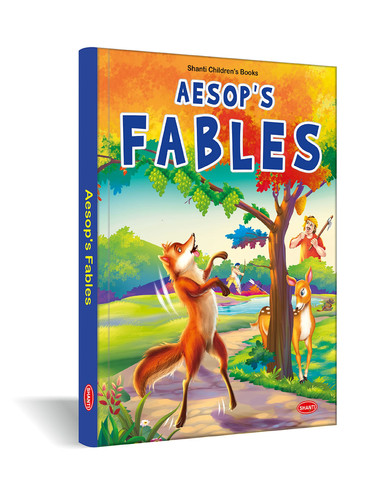
Thomas Y. Crowell
2021
Flame Tree Publishing
2020

Simon and Schuster
2020

In Audio
2020
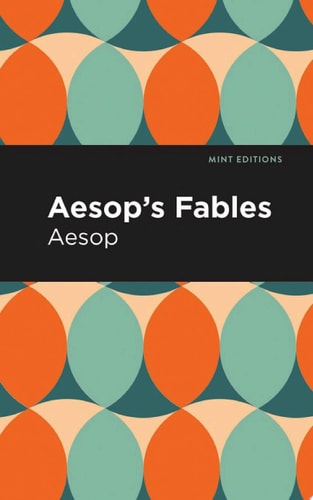
Graphic Arts Books
2020

Mint Editions
2020

Independently Published
2020
Independently Published
2020

Independently Published
2020
Independently Published
2019
Independently Published
2019

Independently Published
2019

Independently Published
2019

Independently Published
2019
Independently Published
2019

Amazon Digital Services LLC - KDP Print US
2019
Amazon Digital Services LLC - KDP Print US
2019
Simon & Brown
2018
Pan Macmillan
2017

Race Point Publishing
2015
Pelekanos Books
2015
Pan Macmillan
2014
Canterbury Classics
2013
Penguin Young Readers Group
2013
Penguin UK
2013

Engage Books
2013

CreateSpace Independent Publishing Platform
2012

ABDO
2011

CreateSpace Independent Publishing Platform
2010
Kessinger Publishing, LLC
2010

Kessinger Publishing, LLC
2010
Nuvision Publications, llc
2010

BiblioLife
2009
Wildside Press
2009

BiblioLife
2009
BiblioLife
2008

Red and Black Publishers
2008

Children's Classics
2008

Red and Black Publishers
2008
Penguin UK
2007

Collector's Library
2006

1st World Library
2006

America Two Publishing LLC
2006
Kessinger Publishing, LLC
2004
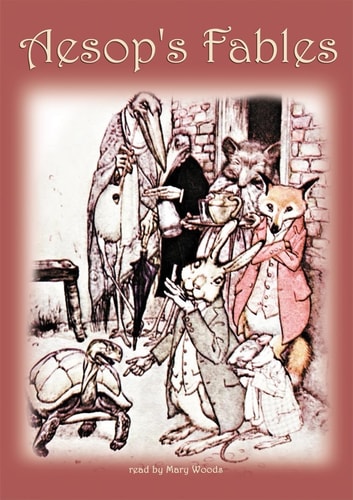
Blackstone Audiobooks
2002
OUP Oxford
2002

Oxford University Press
2002
INDY PUB
2001

Pavilion Books
1998
Books on Tape, Inc.
1996

Penguin Books, Limited
1996

Books on Tape
1996

Sagebrush Education Resources
1994
Silver Burdett Press
1992
First Classics, Incorporated
1990

Picture Book Studio
1989
Random House Value Publishing
1989

Grosset & Dunlap
1982
Octopus
1980

International Collectors Library
1980
![Edition published by Octopus [for] W.H. Smith](https://storage.googleapis.com/menrva_img_storage/covers/9780706411164_9a6a1269.jpg)
Octopus [for] W.H. Smith
1979

Caedmon Audio Cassette
1967

Van Nostrand Reinhold
1965
Cliffs Notes
1963

J M Dent & Sons Ltd
1961

Grosset & Dunlap
1947
Similar Books




Reader Comments
Share Your Thoughts
No comments yet. Be the first to share your thoughts!