Author Description
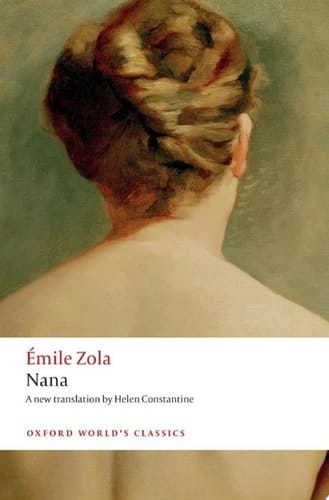
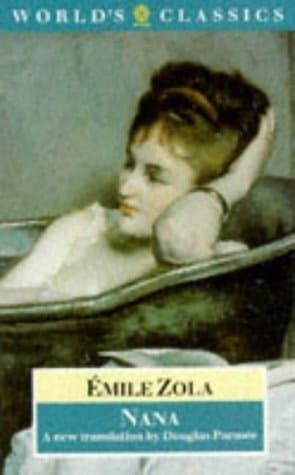
Nana Opens In 1867, The Year Of The World Fair, When Paris, Thronged By A Cosmopolitan élite, Was La Ville Lumière, A Perfect Victim For Zola's Scathing Denunciation Of Hypocrisy And Fin-de-siècle Moral Corruption. The Fate Of Nana, The Helen Of Troy Of The Second Empire, And Daughter Of The Laundress In L'assommoir, Reduced Flaubert To Almost Inarticulate Gasps Of Admiration: `chapter 14, Unsurpassable!... Yes!... Christ Almighty!... Incomparable... Straight Out Of Babylon!' Boulevard Society Is Presented With Painstaking Attention To Detail, And Zola's Documentation Of The Contemporary Theatrical Scene Comes Directly From His Own Experience - It Was His Own Failure As A Playwright Which Sent Him Back To Novel-writing And Nana Itself. This New Translation Is An Accurate And Stylish Rendering Of Zola's Original, Which Was First Published In 1880. About The Series: For Over 100 Years Oxford World's Classics Has Made Available The Widest Range Of Literature From Around The Globe. Each Affordable Volume Reflects Oxford's Commitment To Scholarship, Providing The Most Accurate Text Plus A Wealth Of Other Valuable Features, Including Expert Introductions By Leading Authorities, Helpful Notes To Clarify The Text, Up-to-date Bibliographies For Further Study, And Much More.
Menrva's Summary
THE PULSE
The rise and inevitable decline of Nana, a courtesan who embodies the moral decay of the Second Empire, serves as the catalyst for this examination of Parisian society. Nana navigates the opulent and treacherous world of the French elite, utilizing her beauty and influence to manipulate the men who seek to possess her. Her objective is survival and social ascension within a rigid hierarchy that views her as both a prize and a threat. The narrative framework employs a third-person perspective that meticulously observes the physical and psychological degradation of the characters as they succumb to their own vices. The world is defined by the stark contrast between the glittering surface of the theater and the underlying rot of the aristocracy.
INSIDE THE PAGES
- Detailed depiction of the 1867 Parisian theatrical scene
- Exploration of the intersection between wealth and moral corruption
- Use of naturalistic prose to document social decline
- Characterization of Nana as a symbol of the Second Empire
- Integration of historical context regarding the World Fair
- Focus on the transactional nature of interpersonal relationships
- Examination of the destructive power of obsession
- Stylistic emphasis on environmental influence over individual agency
THE COLLECTIVE ECHO
Discussion often centers on Zola's unflinching commitment to the principles of naturalism, which critics frequently praise for its clinical precision. Readers highlight the atmospheric density of the prose, noting how the author captures the sensory details of the Parisian boulevards and theaters. Many observers point to the character of Nana as a complex figure who functions as both a victim and a force of destruction within her environment. The pacing is frequently described as deliberate, allowing for a thorough examination of the social mechanisms that lead to the protagonist's eventual ruin. Scholars often emphasize the book's role as a critique of the hypocrisy inherent in the upper echelons of nineteenth-century society.
Page Count:
464
Publication Date:
2009-01-01
ISBN-10:
0191623113
ISBN-13:
9780191623110
Classics
Fiction
Historical
Social Commentary
French literature
Classic Literature
Classics
NATURALISM
Community Tags
More from Les Rougon-Macquart