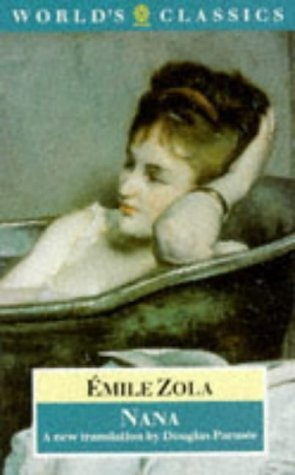
Nana
0
0
As an Amazon Associate and affiliate partner, Menrva Books earns from qualifying purchases. Learn more
Author Description
Nana opens in 1867, the year of the World Fair, when Paris, thronged by a cosmopolitan elite, was a perfect target for Zola's scathing denunciation of hypocrisy and fin-de-siècle moral corruption. In this new translation, the fate of Nana--the Helen of Troy of the second Empire, and daughter of the laundress in L'Assommoir--is now rendered in racy, stylish English.
Menrva's Summary
THE PULSE
The rise and inevitable fall of Nana, a courtesan who embodies the moral decay of the Second French Empire, serves as the catalyst for Zola's examination of societal hypocrisy. Nana, the daughter of a laundress, navigates the opulent and treacherous landscape of 1867 Paris, utilizing her beauty and influence to manipulate the elite who surround her. Her objective is to secure status and wealth within a world that simultaneously desires and despises her. Opposing her are the rigid social structures and the inherent corruption of the aristocracy, which Zola depicts through a third-person narrative that maintains a clinical, observational distance from its subjects.
INSIDE THE PAGES
- Detailed depiction of the Second Empire's social stratification
- Naturalistic exploration of human instinct and heredity
- Satirical portrayal of the Parisian elite and their moral failings
- Vivid sensory descriptions of theatrical and domestic environments
- Use of the courtesan archetype to critique institutional hypocrisy
- Interconnectedness with other works in the Les Rougon-Macquart cycle
- Pacing that mirrors the cyclical nature of Nana's influence and decline
- Focus on the intersection of private desire and public reputation
THE COLLECTIVE ECHO
Readers and critics frequently highlight Zola's unflinching commitment to the principles of Naturalism, noting how he treats his characters as subjects in a controlled social experiment. Discussion often centers on the stark contrast between the glittering surface of Parisian high society and the underlying rot that Zola meticulously exposes. Many observers point to the effectiveness of the atmosphere, which captures the frenetic energy of the World Fair era while maintaining a sense of impending doom. The work is widely recognized for its ability to balance character-driven drama with a broader critique of the political and moral climate of the time, making it a significant study of human behavior within a decaying system.
Page Count:
464
Publication Date:
1992-06-18
Publisher:
Oxford University Press
ISBN-10:
0192826743
ISBN-13:
9780192826749
Historical Fiction
Classic Literature
French literature
Social Commentary
Naturalism
Community Tags
Other Editions(23)

BoD - Books on Demand
2022
Default edition
Independently Published
2020
OUP Oxford
2020

CreateSpace Independent Publishing Platform
2018

CreateSpace Independent Publishing Platform
2018

Editions Gallimard
2017

CreateSpace Independent Publishing Platform
2016

Pelekanos Books
2015

Xist Publishing
2015

CreateSpace Independent Publishing Platform
2014
CreateSpace Independent Publishing Platform
2013

Europäischer Literaturverlag
2013

Classic Books
2013
Kinoscript
2012

CreateSpace Independent Publishing Platform
2012
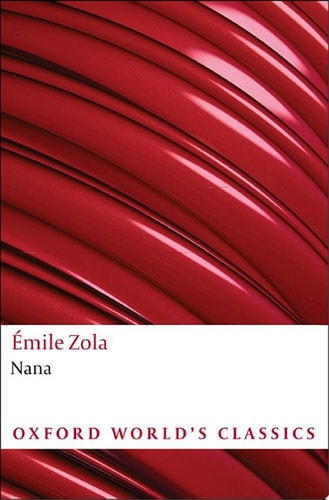
Oup Oxford
2009

eBooksLib
2009

North Books
2004

Classic Books
2001

Maxi-livres
2001
Oxford University Press
1992

Presses Pocket
1991
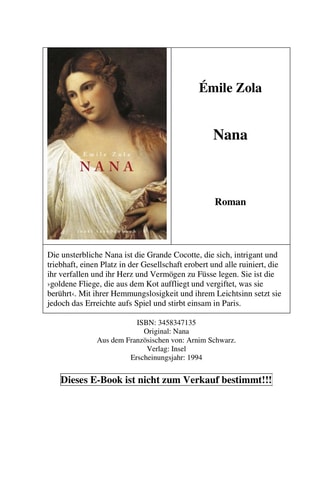
Insel-Verlag
1979
Similar Books




Reader Comments
Share Your Thoughts
No comments yet. Be the first to share your thoughts!