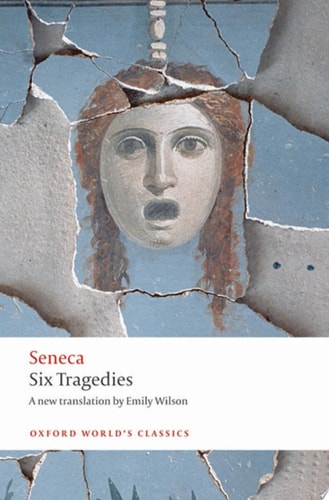
Six Tragedies: Seneca
0
0
As an Amazon Associate and affiliate partner, Menrva Books earns from qualifying purchases. Learn more
Author Description
Phaedra * Oedipus * Medea * Trojan Women * Hercules Furens * Thyestes Seneca's plays are the product of a sensational, frightening, and oppressive period of history. Tutor to the emperor Nero, Seneca lived through uncertain and violent times, and his dramas depict the extremes of human behaviour. Rape, suicide, child-killing, incestuous love, madness and mutilation afflict the characters, who are obsessed and destroyed by their feelings. Passion is constantly set against reason, and passion wins out. Seneca forces us to think about the difference between compromise and hypocrisy, about what happens when power is absolute and about the nature of evil.
Menrva's Summary
THE PULSE
Seneca’s tragedies explore the catastrophic collapse of human reason when confronted with overwhelming, destructive passions. The plays center on protagonists caught in cycles of vengeance, madness, and moral decay, often driven by divine or internal compulsions that defy societal norms. Set against the backdrop of mythological history, these dramas utilize a framework of intense monologues and choral commentary to examine the fragility of the human psyche. The characters struggle against their own impulses, frequently resulting in acts of extreme violence that serve as cautionary reflections on power and self-control.
INSIDE THE PAGES
- Stoic philosophical underpinnings regarding the conflict between reason and emotion
- Extensive use of rhetorical monologues and soliloquies
- Graphic depictions of violence and psychological torment
- Choral odes that provide thematic reflection and structural pacing
- Focus on the corruption of power and the instability of political authority
- Exploration of mythological archetypes and their tragic trajectories
- High-stakes dramatic tension built through impending doom
- Stylistic emphasis on dark, visceral imagery and intense emotional expression
THE COLLECTIVE ECHO
Readers and scholars often note the stark contrast between Seneca’s philosophical writings and the visceral, often gruesome nature of his dramatic works. Discussion frequently centers on the influence of his political environment under Nero, which many critics argue informs the plays' preoccupation with tyranny and the loss of agency. The pacing is often described as deliberate and heavy, relying on rhetorical density rather than rapid plot progression. Many readers highlight the effectiveness of his characterizations, which prioritize the internal experience of obsession over traditional heroic virtues. The collection remains a significant subject of study for those interested in the evolution of tragic form and the intersection of Roman politics and literature.
Page Count:
0
Publication Date:
1900-01-01
Publisher:
Oxford University Press,
ISBN-10:
0191827894
ISBN-13:
9780191827891
Drama
Philosophy
Tragedy
Roman
Classical
Community Tags
Similar Books