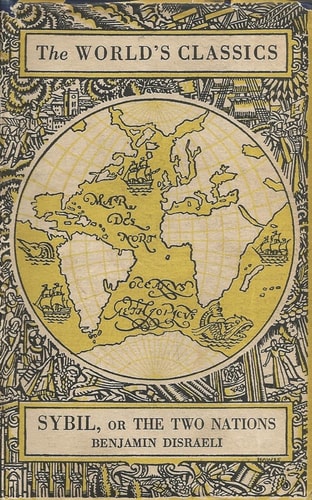
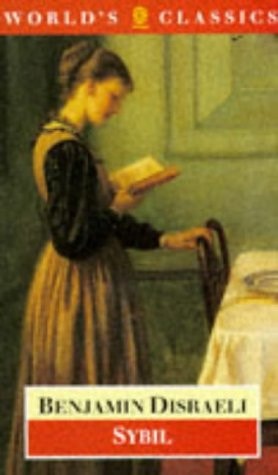
Sybil: Or The Two Nations
0
0
As an Amazon Associate and affiliate partner, Menrva Books earns from qualifying purchases. Learn more
Author Description
This historic book may have numerous typos and missing text. Purchasers can download a free scanned copy of the original book (without typos) from the publisher. Not indexed. Not illustrated. 1905 edition. Excerpt:...talent than other people, and if they had, they learn that power, patronage, and pay are reserved for us and our friends. Well then, like practical men, they look to some result, and they get it. They are asked out to dinner more than they would be; they move rigmarole resolutions at nonsensical public meetings; and they get invited with their women to assemblies at their leader's, where they see stars and blue ribbons, and above all, us, who, they little think, in appearing on such occasions, make the greatest conceivable sacrifice. Well then, of course such people are entirely in one's power, if one only had time and inclination to notice them. You can do anything with them. Ask them to a ball, and they will give you their votes; invite them to dinner, and, if necessary, they will rescind them; but cultivate them, remember their wives at assemblies, and call their daughters, if possible, by their right names; and they will not only change their principles or desert their party for you, but subscribe their fortunes, if necessary, and lay down their lives in your service." " You paint them to the life, my dear Lady St. Julians," said Lady Deloraine, laughing; "but, with such knowledge and such powers, why did you not save our boroughs? " "We had lost our heads, then, I must confess," said Lady St. Julians. "What with the dear King and the dear Duke, we really had brought ourselves to believe that we lived in the days of Versailles or nearly; and I must admit I think we had become a little too exclusive. Out of the cottage circle, there was really no world, and after all we were lost, not by insulting the people, but by snubbing the aristocracy." The servant announced Lady Firebrace. " Oh! my dear Lady Deloraine. Oh! my dear Lady St. Julians!" and...
Menrva's Summary
THE PULSE
The narrative centers on the stark socio-economic divide in 19th-century England, famously characterized as the existence of two distinct nations living side-by-side without intersection. The protagonist, Charles Egremont, navigates the complex political landscape of the era, seeking to reconcile his aristocratic background with the burgeoning social consciousness sparked by his encounter with the titular Sybil Gerard. The narrative framework utilizes a blend of social realism and political philosophy to examine the tensions between the ruling elite and the disenfranchised working class. The story unfolds through a series of interactions that challenge the established order and expose the systemic inequalities inherent in the industrial age.
INSIDE THE PAGES
- Exploration of the Chartist movement and labor unrest
- Detailed depictions of industrial working conditions
- Satirical portrayal of aristocratic social circles
- Philosophical dialogue regarding the responsibilities of the ruling class
- Romantic subplot serving as a bridge between social strata
- Examination of the influence of the Church and state on social welfare
- Use of Victorian-era prose to establish period atmosphere
- Focus on the concept of the 'Two Nations' as a structural metaphor
THE COLLECTIVE ECHO
Readers and critics frequently identify this work as a significant contribution to the Condition of England novel genre. Discussion often centers on the author's ability to balance political polemics with traditional narrative elements, though some find the didactic passages interrupt the flow of the story. The characterization of the working class is often noted for its sympathetic yet paternalistic tone, reflecting the author's own political leanings. Many highlight the effectiveness of the central metaphor, which remains a frequent reference point in discussions regarding social inequality. The work is widely regarded as a primary source for understanding the intellectual climate of the Victorian political landscape.
Page Count:
478
Publication Date:
1968-12-31
Publisher:
Oxford University Press
ISBN-10:
0192502913
ISBN-13:
9780192502919
Historical Fiction
Class Conflict
Social Commentary
Victorian
Political fiction
Community Tags
Other Editions(2)
Similar Books
Reader Comments
Share Your Thoughts
No comments yet. Be the first to share your thoughts!