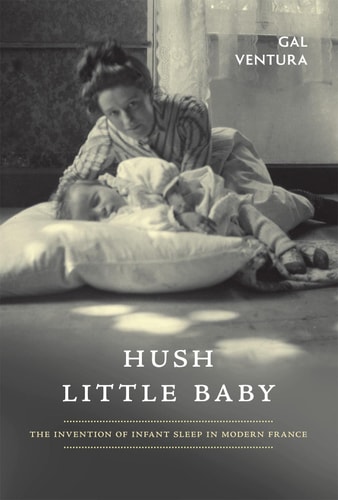
Hush Little Baby: The Invention of Infant Sleep in Modern France
0
0
As an Amazon Associate and affiliate partner, Menrva Books earns from qualifying purchases. Learn more
Author Description
In the nineteenth century France became fixated on infant sleep. Pictures of sleeping babies proliferated in paintings, posters, and advertisements for cradles and toys. Childcare manuals and medical writings insisted on the importance of sleep as a measure of a child's future health and vigour. Infant sleep was transformed from an unremarkable event to a precarious stage of life that demanded monitoring, support, and, above all, the constant presence and attention of mothers. Hush Little Baby uncovers the cultural, medical, and economic forces that came to shape Western ideas about infants' sleeping patterns, rituals, and settings. By the mid-nineteenth century doctors were advising that infant sleep should be carefully controlled by caregivers according to medical guidelines, and that to do otherwise would risk compromising a child's development. A sleeping baby was seen as the sign of a good mother - an idea that was reinforced through countless pictures of mothers watching vigilantly over their sleeping children, even as the reality of postpartum depression was known to doctors. The medical advice literature also helped to create a commercial infant industry, encouraging the production of clothing, bedding, cradles, and accessories designed to foster sleep, and providing new ways for families to demonstrate social status. In Hush Little Baby Gal Ventura shows how these images and ideas about babies' sleep created many of the standards and expectations that keep parents awake today.
Menrva's Summary
THE THESIS
The nineteenth century saw France develop an intense focus on infant sleep, transforming it from a natural occurrence into a critical indicator of a child's future well-being. This fixation was fueled by a confluence of cultural, medical, and economic forces, leading to the proliferation of images and advice literature that emphasized sleep as a measure of a child's health and a mother's competence. Medical professionals began to dictate specific sleep schedules and environments, while a burgeoning commercial industry provided specialized products to facilitate this new ideal. The book explores how these historical developments in understanding and managing infant sleep continue to shape contemporary parental anxieties and practices.
THE SCOPE MAP
- The cultural, medical, and economic forces that shaped Western ideas about infant sleep in 19th-century France.
- The proliferation of images of sleeping babies in art, advertisements, and childcare manuals.
- The medicalization of infant sleep and the establishment of guidelines for caregivers.
- The emergence of a commercial infant industry driven by the demand for sleep-related products.
- The connection between infant sleep, maternal performance, and social status.
- The lasting impact of 19th-century sleep ideals on modern parenting.
THE AUTHORITY PERSPECTIVE
The book examines the historical construction of infant sleep in 19th-century France, tracing how it became a significant marker of child health and maternal success. It highlights the interplay between medical advice, cultural imagery, and economic incentives that shaped these evolving norms. The work suggests that many contemporary parental concerns regarding infant sleep have roots in these historical developments. The author's analysis connects past practices to present-day expectations, offering a critical perspective on modern parenting.
Page Count:
352
Publication Date:
2023-01-01
Publisher:
McGill-Queen's University Press
ISBN-10:
0228017297
ISBN-13:
9780228017295
Non-Fiction
History
MEDICAL History
Cultural History
Parenting
Social History
Community Tags
Similar Books