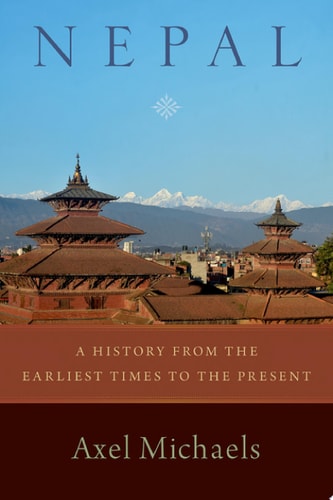
Nepal: A History from the Earliest Times to the Present
0
0
As an Amazon Associate and affiliate partner, Menrva Books earns from qualifying purchases. Learn more
Author Description
Until 1951 Nepal was closed to the world, landlocked between the strongest Asian powers, India and China. With its exceptional landscape, it touts the highest mountains and the greatest biodiversity on earth. It is best known as the home of Mt. Everest and holds particular fascination for those interested in climbing the Himalayas. Having long maintained its self-imposed isolation, the nation is one of the least developed in the world. Yet it is inhabited by a remarkably diverse population of 125 ethnic groups, 123 languages, and numerous religions, most notably Hinduism and Buddhism.In this book, South Asia expert Axel Michaels covers the history of Nepal from prehistoric times and the period of the Licchavi dynasty through more recent developments, such as the rise of the republic, the first elections challenged by the Maoist insurgency (1996-2006), and the royal massacre in 2001. Chapters discuss the different principalities on the territory, among them the mysterious and legendary Mustang and Sherpa realms. Since the eighteenth century, these domains have been bundled into a contentious national history. Thus, going well beyond the center of power in the Kathmandu Valley, the book examines Nepal's relations with neighboring cultures in India, Tibet, and China, as well as the influence of British colonial power. It particularly focuses on its rich history of arts, architecture, and handicrafts. Although the Buddha was born in Nepal, the country is the world's last Hindu kingdom and is also a stronghold of Tantric traditions, shamanism, and many folk religions whose festivals and rituals mark daily life.Based on a wealth of primary sources in Nepali, Sanskrit, and other indigeneous languages, Nepal offers a comprehensive and updated history of this unique culture and history.
Menrva's Summary
THE THESIS
How did a landlocked, isolated territory evolve from a collection of diverse principalities into a modern, multi-ethnic republic? Axel Michaels, a renowned expert in South Asian studies, utilizes a vast array of primary sources in Nepali, Sanskrit, and indigenous languages to construct a rigorous historical framework. The book argues that Nepal's identity is defined by its complex interplay of geography, religious syncretism, and its precarious position between the regional powers of India and China. By examining both the Kathmandu Valley and peripheral realms like Mustang, Michaels provides a comprehensive analysis of the nation's political and cultural trajectory.
THE SCOPE MAP
What You Will Find
- A chronological survey spanning from prehistoric times through the Licchavi dynasty to the modern republican era.
- Detailed analysis of the 1996-2006 Maoist insurgency and the 2001 royal massacre.
- Examination of the influence of British colonial power and regional relations with Tibet and China.
- Exploration of Nepal's unique artistic, architectural, and religious traditions, including Tantrism and shamanism.
THE AUTHORITY PERSPECTIVE
Scholars and historians recognize this work as a definitive, high-density resource for understanding the multifaceted development of the Himalayan nation. Readers frequently note the academic rigor of the prose and the author's impressive command of primary source materials in local languages.
Page Count:
432
Publication Date:
2024-01-01
Publisher:
Oxford University Press
ISBN-10:
0197650937
ISBN-13:
9780197650936
History
Political History
Asia
India
Nepal
Community Tags
Other Editions(2)
Similar Books