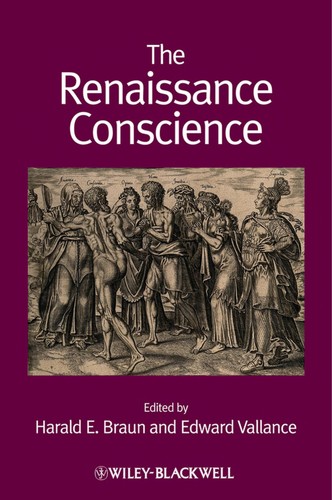
The Renaissance Conscience
0
0
As an Amazon Associate and affiliate partner, Menrva Books earns from qualifying purchases. Learn more
Author Description
The Renaissance Conscience presents one of the first modern studies to explore the variety of ways in which people during the Renaissance conversed with - and let themselves be guided by - their conscience. Through the careful examination of a wide range of extant sources including theological manuals, legal treatises, letters, and literary and autobiographical texts, the authors illustrate how individuals in England and the Hispanic world during the period of the Renaissance sought to reconcile their private and public selves, and thus establish and protect their identity. Individual essays demonstrate the significance, diversity, and fluidity of notions of conscience in the early modern world. These thought-provoking case studies also reveal how authority figures and commoners from two distinct cultural spheres struggled with similar issues and did so with explicit reference to shared scholastic and humanist traditions - often with similar outcomes. The Renaissance Conscience sheds important new light on the ways in which medieval and Renaissance discourses on conscience impacted upon early modern life and anticipated contemporary notions of moral autonomy
Menrva's Summary
THE THESIS
This book investigates the multifaceted role of conscience in shaping individual identity and societal interactions during the Renaissance. Through an analysis of theological manuals, legal treatises, letters, and literary works from England and the Hispanic world, the authors explore how individuals navigated the complexities of their private and public selves. The essays highlight the diverse and evolving understanding of conscience, demonstrating how both authority figures and commoners grappled with moral autonomy within shared intellectual traditions.
THE SCOPE MAP
- Examination of theological manuals and legal treatises.
- Analysis of letters, literary works, and autobiographical texts.
- Focus on England and the Hispanic world during the Renaissance.
- Exploration of the reconciliation of private and public selves.
- Demonstration of the significance, diversity, and fluidity of notions of conscience.
- Case studies of authority figures and commoners.
- Connection between medieval/Renaissance discourses on conscience and contemporary moral autonomy.
THE AUTHORITY PERSPECTIVE
The Renaissance Conscience is recognized for its novel approach to understanding the internal moral compass of individuals during a pivotal historical period. By drawing on a wide array of primary sources, the collection offers nuanced case studies that illuminate the personal and societal impact of conscience. The essays collectively reveal the shared intellectual heritage that influenced moral reasoning across different social strata and cultural spheres. This work provides valuable insights into the historical roots of modern concepts of moral autonomy.
Page Count:
164
Publication Date:
2011-01-01
ISBN-10:
1444335669
ISBN-13:
9781444335668
Science
Philosophy
History
Non-Fiction
Cultural History
European History
Intellectual History
Community Tags
Similar Books