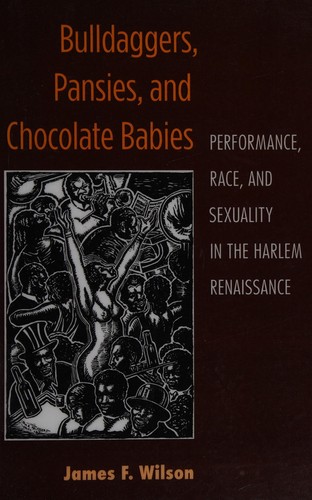
Bulldaggers, Pansies, and Chocolate Babies
0
0
As an Amazon Associate and affiliate partner, Menrva Books earns from qualifying purchases. Learn more
Author Description
This work shines the spotlight on historically neglected plays and performances that challenged early twentieth-century notions of the stratification of race, gender, class, and sexual orientation. On Broadway stages, in Harlem nightclubs and dance halls, and within private homes sponsoring rent parties, African American performers of the 1920s and early 1930s teased the limits of white middle-class morality. Blues-singing lesbians, popularly known as "bulldaggers," performed bawdy songs; cross-dressing men vied for the top prizes in lavish drag balls; and black and white women flaunted their sexuality in scandalous melodramas and musical revues. Race leaders, preachers, and theater critics spoke out against these performances that threatened to undermine social and political progress, but to no avail: mainstream audiences could not get enough of the riotous entertainment. Many of the plays and performances explored here, central to the cultural debates of their time, had been previously overlooked by theater historians. Among the performances discussed are David Belasco's controversial production of Edward Sheldon and Charles MacArthur's Lulu Belle (1926), with its raucous, libidinous view of Harlem. The title character, as performed by a white woman in blackface, became a symbol of defiance for the gay subculture and was simultaneously held up as a symbol of supposedly immoral black women. African Americans Florence Mills and Ethel Waters, two of the most famous performers of the 1920s, countered the Lulu Belle stereotype in written statements and through parody, thereby reflecting the powerful effect this fictional character had on the popular imagination. This work is based on historical archival research including readings of eyewitness accounts, newspaper reports, songs, and playscripts. Employing a cultural studies framework that incorporates queer and critical race theory, it argues against the widely held belief that the stereotypical forms of black, le
Menrva's Summary
THE THESIS
This work investigates how African American performers in the 1920s and early 1930s challenged prevailing notions of race, gender, class, and sexual orientation through their performances. The book examines how these artists, on Broadway, in Harlem nightclubs, and at private rent parties, pushed the boundaries of white middle-class morality. It details the performances of blues-singing lesbians, cross-dressing men in drag balls, and Black and white women who flaunted their sexuality, all while facing opposition from race leaders and critics. The research is grounded in historical archival research, including eyewitness accounts, newspaper reports, songs, and playscripts, employing a cultural studies framework with queer and critical race theory.
THE SCOPE MAP
- Analysis of historically neglected plays and performances from the 1920s and early 1930s.
- Exploration of how African American performers challenged racial, gender, class, and sexual orientation norms.
- Detailed examination of performances including blues-singing lesbians, drag balls, and scandalous melodramas.
- Discussion of the controversy surrounding David Belasco's production of 'Lulu Belle' (1926).
- Analysis of the impact of the 'Lulu Belle' character and its reception by different audiences.
- Inclusion of counter-narratives and parodies by famous performers like Florence Mills and Ethel Waters.
- Application of queer theory and critical race theory to cultural studies framework.
- Based on extensive archival research including eyewitness accounts, newspaper reports, songs, and playscripts.
THE AUTHORITY PERSPECTIVE
This work is regarded as a significant contribution to the study of early 20th-century American performance, particularly for its focus on marginalized voices and challenging themes. By unearthing and analyzing neglected plays and performances, the book offers a nuanced perspective on the cultural debates of the era. It highlights how African American artists used their art to push against societal constraints and redefine perceptions of race, gender, and sexuality. The research methodology, combining archival work with theoretical frameworks like queer and critical race theory, provides a robust foundation for its arguments.
Page Count:
262
Publication Date:
2010-01-01
ISBN-10:
0472117254
ISBN-13:
9780472117253
Science
Art
Non-Fiction
Drama
History
Queer Studies
Cultural History
Performance Studies
Gender Studies
Theater History
Community Tags
Similar Books