Antes: Stories from the Past : Rural Cuba, New Mexico, 1769-1949
0
0
As an Amazon Associate and affiliate partner, Menrva Books earns from qualifying purchases. Learn more
Author Description
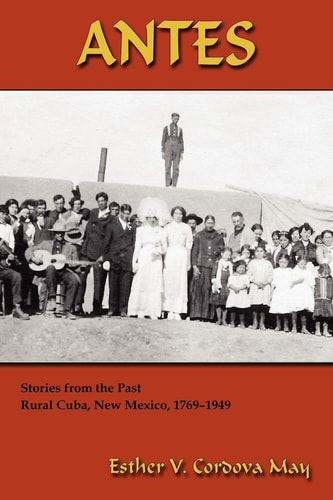
Cuba, New Mexico, was first settled in 1769. Originally known as Nacimiento, it was located on the northwestern edge of the Spanish Colonial Empire. It was very isolated and the people who settled Cuba seldom travelled to other areas due to the lack of roads and long distances between settlements. As a consequence, Cuba retained many of the traditions, practices and archaic language of the early Colonial Period until the mid-twentieth century. Only after World War II did this village emerge from its Colonial traditions and begin to acquire more modern amenities and practices. Different from many other small towns, it did not change because of outside forces but mostly because of the actions of people who had been away during World War II and came back wanting what they had experienced elsewhere. "Antes" is the Spanish word for "before." When used by itself in casual conversation, it always refers to the way things were before the end of World War II. This book contains descriptions and photographs of the practices and activities of the people of Cuba in that earlier time.
Menrva's Summary
THE THESIS
This book chronicles the isolated history and enduring traditions of rural Cuba, New Mexico, from its founding in 1769 until the mid-twentieth century. The settlement, originally named Nacimiento, was a remote outpost on the edge of the Spanish Colonial Empire, where limited travel fostered the preservation of archaic customs and language. This isolation meant that Cuba retained its colonial character until after World War II, when returning servicemen brought back desires for modernization. The book focuses on the practices and activities of the people during this earlier period, before the significant societal shifts that occurred post-war.
THE SCOPE MAP
- Descriptions and photographs of rural life in Cuba, New Mexico, from 1769 to 1949.
- An examination of the isolation and its impact on the preservation of traditions, practices, and language.
- Details on the transition from colonial traditions to modern amenities following World War II.
- Insights into the specific actions and desires of individuals who experienced life outside Cuba during the war.
- Historical context of the Spanish Colonial Empire's northwestern edge.
THE AUTHORITY PERSPECTIVE
The book offers a detailed look into the history of a specific, isolated community in New Mexico. Its focus on the period before significant modernization suggests a rich exploration of cultural preservation and the impact of external experiences on internal change. The inclusion of photographs indicates a visual component that will likely enhance the reader's understanding of the described practices and activities. The narrative appears to be grounded in the specific history of Cuba, New Mexico, providing a localized perspective on broader historical trends.
Page Count:
268
Publication Date:
2011-01-01
Publisher:
Sunstone Press
ISBN-10:
0865348405
ISBN-13:
9780865348400
History
Non-Fiction
Local History
Cultural History
Rural Life
New Mexico
Community Tags
Similar Books