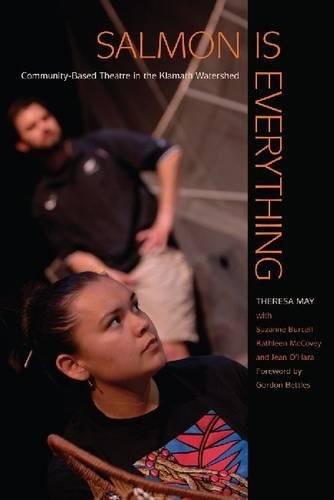
Salmon Is Everything: Community-Based Theatre in the Klamath Watershed
0
0
As an Amazon Associate and affiliate partner, Menrva Books earns from qualifying purchases. Learn more
Author Description
After a devastating fish kill on the Klamath River, tribal members and theatre artist Theresa May developed a play to give voice to the central spiritual and cultural role of salmon in tribal life. Salmon Is Everything presents the script of that play, along with essays by artists and collaborators that illuminate the process of creating and performing theatre on Native and environmental issues. Salmon Is Everything simultaneously illuminates the logistics of a crisis in the third largest watershed in the Pacific Northwest--the premature death of more than 30,000 salmon on the Lower Klamath River in 2002--and documents what happened when one community decided to use art to amplify the experiences of its members. The fish kill had unprecedented impact throughout the watershed, and for many tribal communities it signified an ongoing loss of traditional cultural practices. But in the political and ecological upheaval that followed, the role of salmon in tribal life went largely unacknowledged, which inspired the collaboration between May and members of the Yurok, Hoopa Valley, and Karuk tribes, as well as farmers, ranchers, and others invested in the Klamath watershed. Salmon is Everything will appeal to readers interested in the environmental and cultural history of the Pacific Northwest and the ecological and civil challenges its communities face. For artists and activists, it's a useful case study. Salmon is Everything offers a unique interdisciplinary resource for high school and college level courses in environmental studies, Native American studies, and theatre arts education.
Menrva's Summary
THE THESIS
The 2002 fish kill on the Klamath River prompted a unique collaboration between tribal members and theatre artist Theresa May to create a play that would give voice to the spiritual and cultural significance of salmon. This book presents the script of that play, alongside essays from artists and collaborators, detailing the process of developing and performing theatre focused on Native and environmental issues. It explores the logistics of the crisis in the Pacific Northwest's third largest watershed, where over 30,000 salmon died prematurely, and documents how the community used art to amplify their experiences amidst the ecological and political upheaval. The work highlights the profound impact of the fish kill on traditional cultural practices and the subsequent efforts to ensure the role of salmon in tribal life was acknowledged.
THE SCOPE MAP
- The script of the community-based play 'Salmon Is Everything'.
- Essays by Theresa May and collaborators detailing the artistic process.
- Analysis of the 2002 Klamath River fish kill and its ecological impact.
- Exploration of the spiritual and cultural role of salmon in tribal life.
- Case studies of theatre as a tool for addressing Native and environmental issues.
- Insights into the collaboration between tribal members (Yurok, Hoopa Valley, Karuk) and non-tribal stakeholders.
- Discussion of the political and ecological challenges within the Klamath watershed.
THE AUTHORITY PERSPECTIVE
The book is presented as a valuable resource for those interested in the environmental and cultural history of the Pacific Northwest, as well as the ecological and civil challenges faced by its communities. For artists and activists, it serves as a practical case study in using art for social and environmental commentary. It is also positioned as an interdisciplinary resource suitable for high school and college courses in environmental studies, Native American studies, and theatre arts education.
Page Count:
208
Publication Date:
2014-01-01
ISBN-10:
0870717464
ISBN-13:
9780870717468
Art
Drama
History
Non-Fiction
Pacific Northwest
Cultural History
Community Tags
Similar Books