Imagining Sex: Pornography and Bodies in Seventeenth-Century England
0
0
As an Amazon Associate and affiliate partner, Menrva Books earns from qualifying purchases. Learn more
Author Description
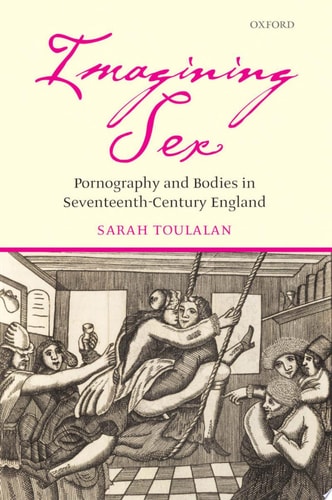
Imagining Sex is a study of pornographic writing in seventeenth-century England. It explores a wide variety of written material from the period to argue that, unlike today, pornography was not a discrete genre, nor was it one that was usually subject at this time to suppression. Pornographic writing was a widespread feature of a range of texts, including both popular literature (ballads, news-sheets, court reports, small books, and pamphlets) as well as poetry, drama and more specialised medical books. The book analyses representations of sex, sexuality and eroticism in historical context to explore contemporary thinking about these issues, but also about broader cultural concerns and shifts in attitudes. It questions both modern feminist and psychoanalytical interpretations of pornography, arguing that these approaches are neither appropriate nor helpful to an understanding of seventeenth-century material. Through discussions of sex and reproduction, homosexuality, flagellation, voyeurism, and humour, the book explores the nature of early modern sexual desire and arousal and explores their relationship to contemporary understandings about how the body worked. Imagining Sex presents a radically new interpretation of pornography in this period, arguing that concerns about fertility were at the heart of representations of bodies and sex, so that images of pleasure were entwined with ideas about conception and reproduction. It also shows that these texts legitimized the (sexual) pleasure of the reader by highlighting the pleasure of looking and the incitement to sexual action that it provided.
Menrva's Summary
THE THESIS
This book investigates the nature of pornographic writing in seventeenth-century England to challenge the assumption that pornography existed as a discrete, suppressed genre during this period. Author Sarah Toulalan, a historian specializing in early modern gender and the body, utilizes a diverse range of primary sources—including ballads, medical texts, and drama—to argue that sexual representations were deeply integrated into broader cultural concerns, particularly those regarding fertility and reproduction. By critiquing modern feminist and psychoanalytical frameworks, the study posits that early modern sexual imagery functioned primarily as a mechanism for legitimizing reader pleasure through the lens of reproductive health and bodily function.
THE SCOPE MAP
What You Will Find
- Analysis of seventeenth-century popular literature, including pamphlets, news-sheets, and court reports.
- Examination of the intersection between eroticism and medical understandings of the body.
- Discussion of specific themes such as flagellation, voyeurism, homosexuality, and reproductive biology.
Scope Limits
- The study does not extend its analysis beyond the seventeenth-century English context.
- It does not apply modern psychoanalytical or feminist theoretical frameworks to the primary texts.
THE AUTHORITY PERSPECTIVE
Scholars and historians frequently identify this work as a significant intervention in the study of early modern sexuality, noting its success in deconstructing modern preconceptions about pornography. The text is recognized for its rigorous archival research and its ability to contextualize erotic literature within the specific cultural and medical anxieties of the seventeenth century.
Page Count:
300
Publication Date:
2007-01-01
Publisher:
Oxford University Press
ISBN-10:
0191526150
ISBN-13:
9780191526152
History
English literature
European History
Cultural History
History - Modern
Literary Criticism
Gender Studies
Social History
Community Tags
Similar Books