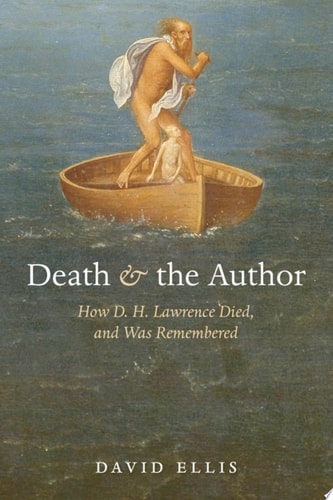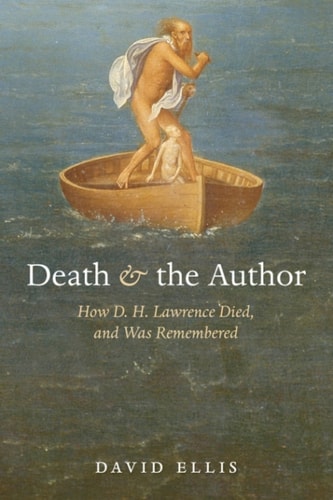
Death and the Author: How D. H. Lawrence Died, and Was Remembered
0
0
As an Amazon Associate and affiliate partner, Menrva Books earns from qualifying purchases. Learn more
Author Description
At the heart of Death and the Author is a dramatic account of D. H. Lawrence's desperate struggle against tuberculosis during his last days, and of certain, often bizarre events which followed his death. Around this narrative David Ellis offers a series of reflections about what it is like to have a disease for which there is no cure, the appeal of alternative medicine, the temptation of suicide for the terminally ill, the diminishing role of religion in modern life, the institution of famous last words, the consequences of dying intestate, and so on. These are clearly not the most immediately appealing of topics but they have an obvious significance for everyone and the treatment of them here is by no means lugubrious (even if, in the nature of the case, most of the jokes fall into the category of gallows humour). Lawrence is the main focus throughout but there are extended references to a number of other famous literary consumptives such as Keats, Katherine Mansfield, Kafka, Chekhov, and George Orwell. Not a long book, Death and the author is divided into three parts called `Dying', `Death' and `Remembrance' and is made up of twenty-two short sections. Although it incorporates a good deal of original material, the annotation has been kept deliberately light. The aim has been to combine the drama of events - a good story - with a consideration of matters which must eventually concern us all, and to present the material in a lively and accessible form.
Menrva's Summary
THE THESIS
This book investigates the final days of D. H. Lawrence to explore the broader human experiences of terminal illness, mortality, and the cultural legacy of the deceased. David Ellis, a scholar of Lawrence, utilizes the author's medical records and biographical accounts to frame a discussion on the intersection of literature and the end of life. By contrasting Lawrence's struggle with tuberculosis against the experiences of other literary figures, Ellis constructs a framework that examines how society processes the death of prominent writers and the philosophical implications of terminal decline.
THE SCOPE MAP
What You Will Find
- A detailed account of D. H. Lawrence's final struggle with tuberculosis.
- Comparative analysis of the deaths of Keats, Katherine Mansfield, Kafka, Chekhov, and George Orwell.
- Reflections on the cultural significance of last words, alternative medicine, and the legal complexities of dying intestate.
Scope Limits
- The text does not provide a comprehensive medical history of tuberculosis.
- The analysis is not intended as a formal academic biography but rather as a series of thematic reflections.
THE AUTHORITY PERSPECTIVE
Critics often note that the book successfully balances narrative drama with philosophical inquiry, making it accessible to general readers interested in literary history. Experts highlight the work as a thoughtful, if unconventional, meditation on mortality that avoids overly somber tones.
Page Count:
304
Publication Date:
2008-01-01
Publisher:
Oxford University Press
ISBN-10:
0191563056
ISBN-13:
9780191563058
Biography
Non-Fiction
Death Studies
English
MEDICAL History
English & College Success
Literary Criticism