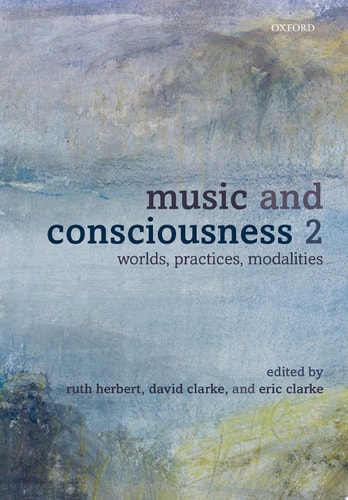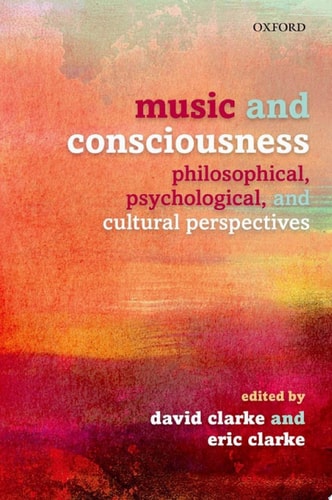
Music and Consciousness: Philosophical, Psychological, and Cultural Perspectives
0
0
As an Amazon Associate and affiliate partner, Menrva Books earns from qualifying purchases. Learn more
Author Description
What is consciousness? Why and when do we have it? Where does it come from, and how does it relate to the lump of squishy grey matter in our heads, or to our material and social worlds? While neuroscientists, philosophers, psychologists, historians, and cultural theorists offer widely different perspectives on these fundamental questions concerning what it is like to be human, most agree that consciousness represents a 'hard problem'. The emergence of consciousness studies as a multidisciplinary discourse addressing these issues has often been associated with rapid advances in neuroscience-perhaps giving the impression that the arts and humanities have arrived late at the debating table. The longer historical view suggests otherwise, but it is probably true that music has been under-represented in accounts of consciousness. Music and Consciousness aims to redress the balance: its twenty essays offer a timely and multi-faceted contribution to consciousness studies, critically examining some of the existing debates and raising new questions. The collection makes it clear that to understand consciousness we need to do much more than just look at brains: studying music demonstrates that consciousness is as much to do with minds, bodies, culture, and history. Incorporating several chapters that move outside Western philosophical traditions, Music and Consciousness corrects any perception that the study of consciousness is a purely occidental preoccupation. And in addition to what it says about consciousness the volume also presents a distinctive and thought-provoking configuration of new writings about music.
Menrva's Summary
THE THESIS
This collection investigates the intersection of music and consciousness to challenge the neurocentric bias prevalent in current consciousness studies. Editors David B. Clarke and Eric F. Clarke assemble twenty essays from diverse disciplinary backgrounds to argue that consciousness cannot be fully understood through biological data alone. By integrating perspectives from philosophy, psychology, and cultural history, the authors posit that music serves as a critical lens for examining the embodied, social, and historical dimensions of human experience.
THE SCOPE MAP
What You Will Find
- Multidisciplinary analysis of consciousness through the lens of musical experience
- Comparative studies incorporating non-Western philosophical traditions
- Theoretical frameworks linking cognitive psychology with cultural history
Scope Limits
- The text does not provide a singular, unified theory of consciousness
- It does not focus on clinical music therapy or neurological pathology
THE AUTHORITY PERSPECTIVE
Experts recognize this volume as a significant contribution to the interdisciplinary study of music and mind. Readers frequently note the academic density of the prose, which is intended for scholars and advanced students in the humanities and social sciences.
Page Count:
405
Publication Date:
2011-01-01
Publisher:
OUP Oxford
ISBN-10:
0191625582
ISBN-13:
9780191625589
Psychology
Non-Fiction
Musicology
Philosophy of
Humanities
Music
Consciousness
Neuroscience
Community Tags
Similar Books