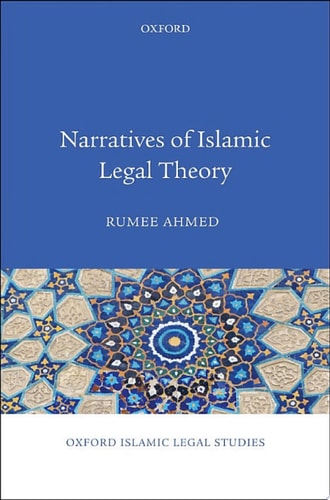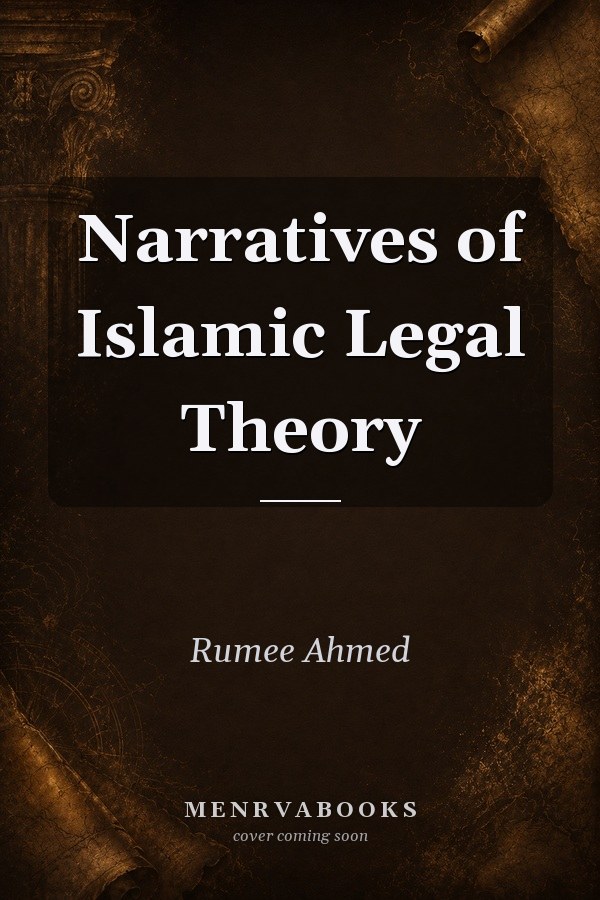
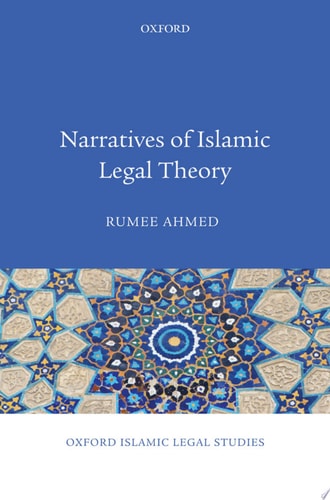
Narratives of Islamic Legal Theory
0
0
As an Amazon Associate and affiliate partner, Menrva Books earns from qualifying purchases. Learn more
Author Description
Rumee Ahmed shatters the prevailing misconceptions of the purpose and form of the Islamic legal treatise. Through a subtle interpretation of the work of major Islamic jurists, he reveals how the moral teachings of Islam were translated into a legal context in the critical, formative period of Islamic law.
Menrva's Summary
THE THESIS
This book investigates how Islamic legal treatises functioned as moral and pedagogical tools rather than merely as static collections of rules. Rumee Ahmed, a scholar of Islamic law, challenges the traditional view that these texts were designed solely for practical legal application. By analyzing the works of influential jurists, he argues that the legal treatise served as a medium for transmitting ethical values and shaping the moral character of the reader during the formative period of Islamic jurisprudence.
THE SCOPE MAP
What You Will Find
- Analysis of major Islamic legal treatises from the formative period
- Examination of the relationship between moral philosophy and legal methodology
- Interpretive frameworks for understanding the intent of classical jurists
- Historical context regarding the development of Islamic legal discourse
Scope Limits
- Does not provide a comprehensive history of all Islamic legal schools
- Does not function as a modern practical guide for contemporary Islamic law
THE AUTHORITY PERSPECTIVE
Scholars in the field of Islamic studies recognize this work as a significant contribution to the understanding of legal hermeneutics and the evolution of the genre. Readers frequently note the academic density of the prose, which is intended for an audience familiar with classical Islamic legal terminology and historical methodology.
Page Count:
0
Publication Date:
2012-01-01
Publisher:
Oxford University Press, Incorporated
ISBN-10:
0191630136
ISBN-13:
9780191630132
Religion
History
Jurisprudence
Legal Theory
Middle Eastern
Islamic Law
Interpretation and construction
Community Tags
Other Editions(3)
Similar Books