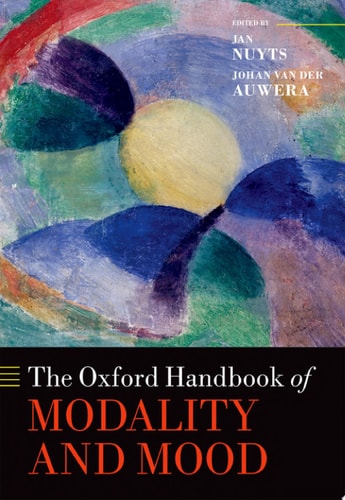
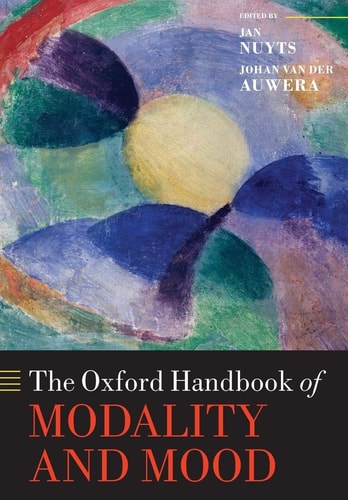
The Oxford Handbook of Modality and Mood
0
0
As an Amazon Associate and affiliate partner, Menrva Books earns from qualifying purchases. Learn more
Author Description
This Handbook Offers An In Depth And Comprehensive State Of The Art Survey Of The Linguistic Domains Of Modality And Mood. An International Team Of Experts In The Field Examines The Full Range Of Methodological And Theoretical Approaches To The Many Facets Of The Phenomena Involved. Parts 1 And 2 Of The Volume Present The Basic Linguistic Facts About The Systems Of Modality And Mood In The Languages Of The World, Covering The Semantics And The Expression Of Different Subtypes Of Modality And Mood Respectively. The Authors Also Examine The Interaction Of Modality And Mood, Mutually And With Other Semantic Categories Such As Aspect, Time, Negation, And Evidentiality. In Part 3, Authors Discuss The Features Of The Modality And Mood Systems In Five Typologically Different Language Groups, While Chapters In Part 4 Deal With Wider Perspectives On Modality And Mood: Diachrony, Areality, First Language Acquisition, And Sign Language. Finally, Part 5 Looks At How Modality And Mood Are Handled In Different Theoretical Approaches: Formal Syntax, Functional Linguistics, Cognitive Linguistics And Construction Grammar, And Formal Semantics.
Menrva's Summary
THE THESIS
This volume investigates the complex linguistic structures and semantic properties of modality and mood across the world's languages. Editors Jan Nuyts and Johan van der Auwera assemble an international team of specialists to synthesize current research, providing a comprehensive framework that bridges theoretical models with empirical linguistic data. The text serves as a central reference point for understanding how these categories interact with time, negation, and evidentiality within diverse grammatical systems.
THE SCOPE MAP
What You Will Find
- Cross-linguistic analysis of modality and mood systems
- Theoretical frameworks including formal syntax, functional linguistics, and cognitive linguistics
- Examination of diachrony, areality, and first language acquisition
- Comparative studies of five typologically distinct language groups
Scope Limits
- Does not provide exhaustive grammars for every known language
- Focuses primarily on linguistic theory rather than pedagogical application for language learners
THE AUTHORITY PERSPECTIVE
Experts recognize this handbook as a foundational resource for advanced students and researchers in theoretical linguistics. Readers frequently note the academic density of the prose, which requires a strong background in linguistic terminology to fully navigate the complex theoretical arguments presented.
Page Count:
640
Publication Date:
2016-01-01
Publisher:
Oxford University Press
ISBN-10:
0191646334
ISBN-13:
9780191646331
Syntax
Reference
Academic
Linguistics
Semantics
Community Tags
Other Editions(3)

Similar Books