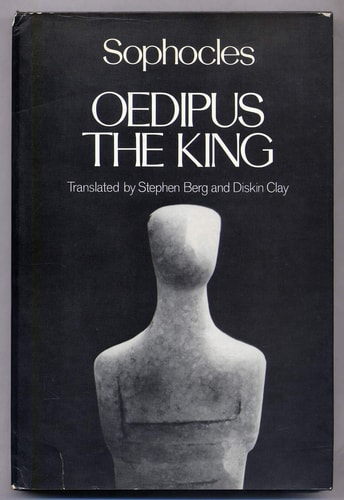
Oedipus the King
0
0
As an Amazon Associate and affiliate partner, Menrva Books earns from qualifying purchases. Learn more
Author Description
With attention to the intensity of spoken language, a poet and a classicist combine talents to create a new translation of Sophocles' tragic drama about the downfall of Oedipus after he murders his father and marries his mother
Menrva's Summary
THE PULSE
The discovery of a hidden truth forces a king to confront the catastrophic consequences of his past actions. Oedipus, the ruler of Thebes, seeks to identify the murderer of his predecessor to lift a plague from his city. As he investigates, he encounters resistance from prophets and witnesses who possess knowledge of his own origins. The narrative unfolds through a series of intense dialogues and choral interventions that reveal the protagonist's inadvertent fulfillment of a prophecy. The play adheres to the classical unities of time, place, and action, maintaining a relentless pace toward the inevitable revelation of his identity.
INSIDE THE PAGES
- Utilization of the Greek chorus to provide moral commentary and context
- Dramatic irony as a primary engine for tension
- Use of stichomythia to heighten the conflict between characters
- Exploration of the tension between human agency and divine fate
- Structural reliance on the peripeteia or reversal of fortune
- Focus on the psychological disintegration of the protagonist
- Incorporation of traditional Greek mythological motifs
- Formal dialogue emphasizing the gravity of the tragic situation
THE COLLECTIVE ECHO
Readers and critics frequently analyze the play as a foundational study in the mechanics of tragedy and the inevitability of fate. Discussion often centers on the balance between Oedipus's hubris and the external forces that dictate his path. Many observers highlight the effectiveness of the play's pacing, noting how the gradual unveiling of information creates a sense of mounting dread. The work is consistently cited for its influence on Western dramatic structure and its enduring exploration of human fallibility. Scholars often emphasize the clarity of the translation in maintaining the intensity of the original spoken language.
Page Count:
128
Publication Date:
1978-03-23
Publisher:
Oxford University Press
ISBN-10:
0195023250
ISBN-13:
9780195023251
Drama
Plays
Tragedy
Dramatic works
Mythology
Community Tags
Other Editions(39)
Independently published
2022
Default edition
Eternal Chrysostom LLC
2021
Independently Published
2019

Oxford University Press
2019
Creative Media Partners, LLC
2018
CreateSpace Independent Publishing Platform
2018
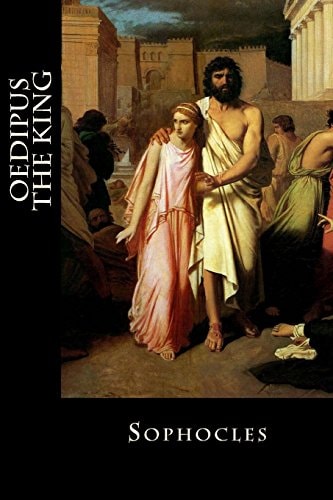
CreateSpace Independent Publishing Platform
2018
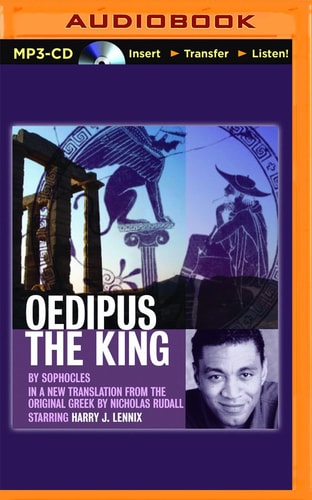
L.A. Theatre Works MP3-CD from Brilliance Audio
2016

CreateSpace Independent Publishing Platform
2015
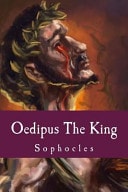
CreateSpace Independent Publishing Platform
2015
Creative Media Partners, LLC
2015
General Books
2013
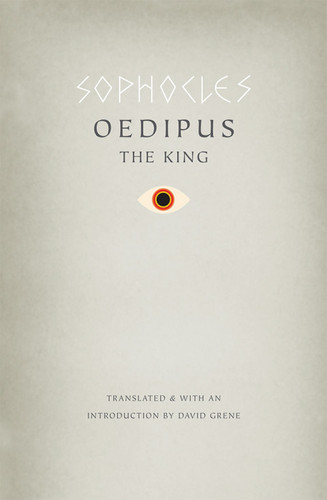
University of Chicago Press
2012
CreateSpace Independent Publishing Platform
2011
University of Chicago Press
2010
Perfection Learning Corporation
2010
General Books LLC
2009
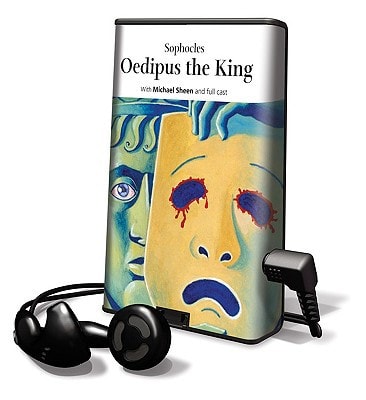
Naxos Audiobooks Ltd
2009
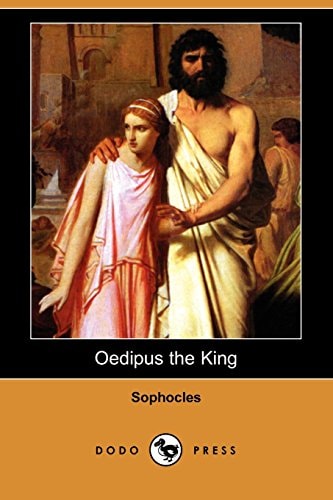
Dodo Press
2009
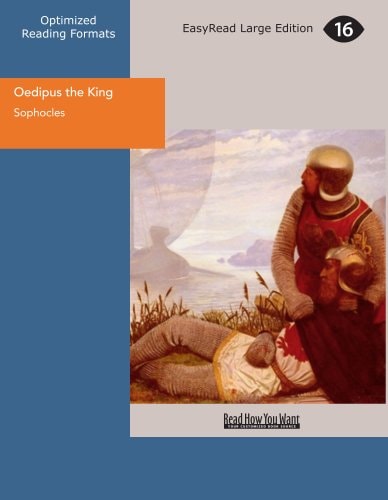
ReadHowYouWant.com, Limited
2008
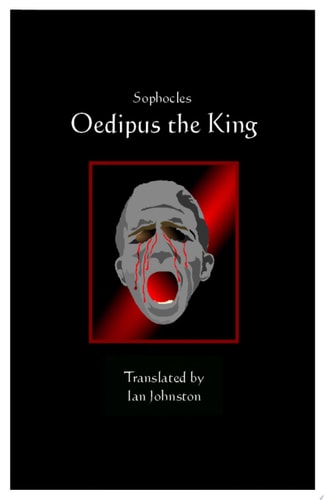
RicherResourcesPublications
2007
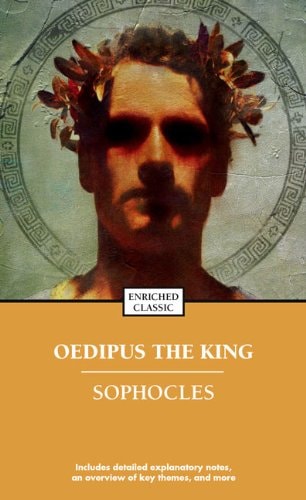
Tandem Library
2005
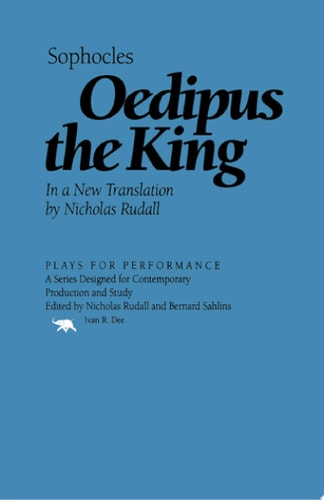
Bloomsbury USA
2000

Turtleback
1994

Perfection Learning Prebound
1989
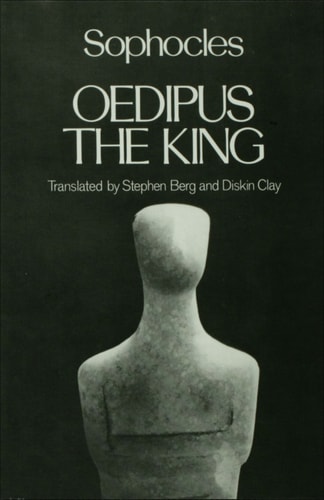
Oxford University Press
1988
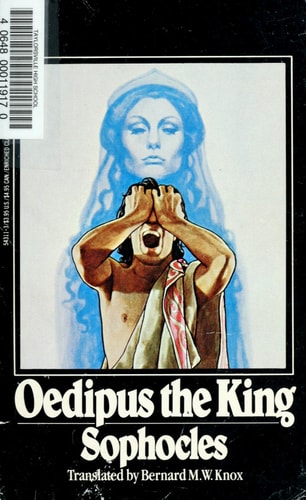
Pocket Books
1984
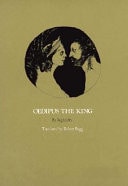
University of Massachusetts Press
1982
University of Massachusetts Press
1982
Oxford University Press
1978
University of Minnesota Press
1972

Washington Square Press
1972
Washington Square
1970
Signet
1960

Pocket Library
1959

Random House Trade
1955
University of Chicago Press
1954

Jolly, W. & Sons
1922

ReadHowYouWant.com
1900
Similar Books

Reader Comments
Share Your Thoughts
No comments yet. Be the first to share your thoughts!