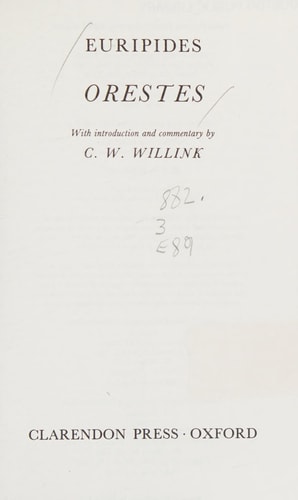
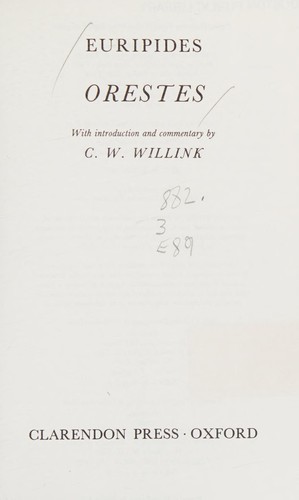
Orestes
0
0
As an Amazon Associate and affiliate partner, Menrva Books earns from qualifying purchases. Learn more
Author Description
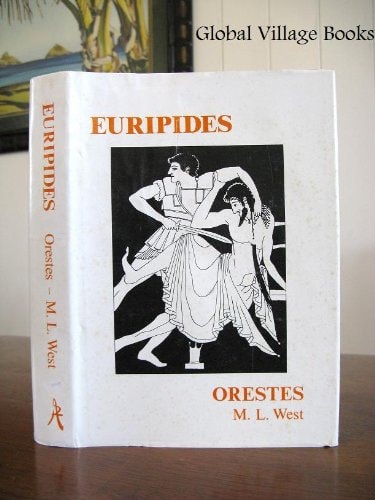
Celebrated for its dramatic ingenuity, Euripides' earlier version of the myth that Aeschylus made famous has not been revised in English since 1895. Popular in antiquity and important in the development of classical Greek tragedy, this play is now offered in an expanded edition, which includes a detailed discussion of lyric meter and a consideration of many textual changes.
Menrva's Summary
THE PULSE
Following the murder of his mother, Clytemnestra, Orestes faces the immediate threat of execution by the citizens of Argos. Orestes, suffering from madness and guilt, seeks refuge and assistance from his sister Electra and his friend Pylades. The narrative follows their desperate attempts to secure safety through political maneuvering and violent retribution against those who condemn them. The play utilizes a high-stakes, claustrophobic atmosphere to explore the breakdown of social and familial order in the aftermath of a matricide.
INSIDE THE PAGES
- Exploration of moral ambiguity and the cycle of vengeance
- Use of the 'deus ex machina' device to resolve the central conflict
- Incorporation of complex lyric meters and choral odes
- Examination of the psychological deterioration of the protagonist
- Focus on the political instability of the Argive state
- Shift from traditional heroic tropes to cynical realism
- Intense dialogue-driven confrontations between key characters
- Integration of themes regarding divine justice versus human law
THE COLLECTIVE ECHO
Readers and scholars frequently highlight the play's departure from traditional tragic structures in favor of a more volatile and unpredictable narrative. Discussion often centers on the moral complexity of Orestes' actions and the cynical portrayal of the gods and political leaders. Critics note that the work serves as a significant example of Euripides' experimental approach to classical Greek drama. The balance between intense personal suffering and the broader societal collapse remains a primary focus for those analyzing the text's enduring impact on theatrical history.
Page Count:
448
Publication Date:
1989-09-28
Publisher:
Clarendon Press
ISBN-10:
0198143966
ISBN-13:
9780198143963
Drama
Dramatic works
Classical
Plays
Mythology
Greek Tragedy
Community Tags
Other Editions(9)



Similar Books

Reader Comments
Share Your Thoughts
No comments yet. Be the first to share your thoughts!