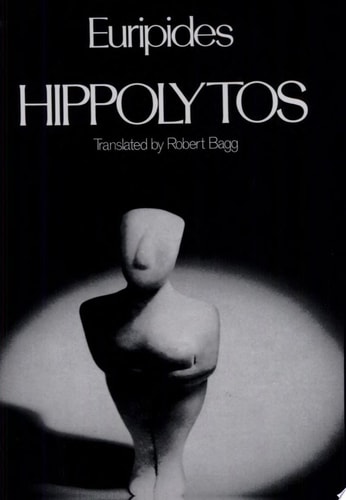
Hippolytos
0
0
As an Amazon Associate and affiliate partner, Menrva Books earns from qualifying purchases. Learn more
Author Description
In most versions of the Hippolytos myth, Phaidra is depicted as an utterly debauched character, a woman reduced to shamelessness by the power of Aphrodite. In Euripides' Hippolytos, however--informed by the playwright's moral and religious fascination--we find a Phaidra resisting the goddess of love with all her strength, though in the end unsuccessfully. Phaidra becomes a tragic foil for Hippolytos, making his superhuman virtue at once believable and understandable.Robert Bagg's profound translation of this Euripidean masterpiece is idiomatic, natural, and intensely lyrical, designed not only to be read but performed. Unlike most versions, Bagg's Hippolytos sustains the dramatic tome and dynamics to the very end--even after Phaidra's death--and the moving scenes between Hippolytos and Theseus, and later Hippolytos' death-scene with Artemis, receive here unprecedented plausibility and power.
Menrva's Summary
THE PULSE
The goddess Aphrodite initiates a destructive conflict by manipulating Phaidra into an illicit desire for her stepson, Hippolytos, setting in motion a chain of divine retribution. Phaidra struggles to maintain her moral integrity against the overwhelming influence of the goddess, while Hippolytos remains steadfast in his devotion to Artemis and his rejection of human passion. The narrative unfolds through a series of intense confrontations that test the limits of human virtue against the capricious nature of the gods. As the tragedy progresses, the characters are forced to navigate the physical and logical constraints of a world where divine intervention dictates the outcome of mortal choices. The play utilizes the traditional structure of Greek tragedy, incorporating choral odes and dialogue to explore the consequences of pride and desire.
INSIDE THE PAGES
- Exploration of the conflict between human agency and divine will
- Characterization of Phaidra as a conflicted figure rather than a villain
- Examination of Hippolytos's rigid adherence to virtue
- Use of choral odes to provide commentary on the unfolding events
- Dramatic tension sustained through the final scenes with Theseus
- Focus on the psychological motivations behind the characters' actions
- Lyrical and idiomatic translation style intended for performance
- Depiction of the tragic consequences of familial misunderstanding
THE COLLECTIVE ECHO
Readers and critics frequently highlight the nuance Robert Bagg brings to the character of Phaidra, noting that this translation shifts the focus from her perceived debauchery to her internal struggle. Discussion often centers on the effectiveness of the dialogue, which is praised for its natural flow and suitability for stage performance. The pacing is noted for maintaining high dramatic stakes even after the central turning point of the play. Scholars and enthusiasts alike appreciate how the translation clarifies the complex interactions between the mortal characters and the divine figures of Aphrodite and Artemis. This version is often cited for its ability to make ancient themes accessible while retaining the gravity of the original Greek text.
Page Count:
128
Publication Date:
1992-10-29
Publisher:
Oxford University Press
ISBN-10:
0195072901
ISBN-13:
9780195072907
Drama
English drama
Plays
Mythology
Greek Tragedy
Classical